Let’s be real for a second. Your car is more than just a way to get from A to B; it’s your personal space, your mobile office, and sometimes, your dining room on wheels. But with that comes the inevitable mess: cracker crumbs from the kids, pet hair that weaves itself into the upholstery, and that mystery dirt that just… appears. If you’re tired of that gritty feeling on your car mats, this comprehensive handheld car vacuum cleaner review is your roadmap to a permanently pristine interior. We’re going to break down everything you need to know to find the perfect dirt-busting companion for your vehicle.
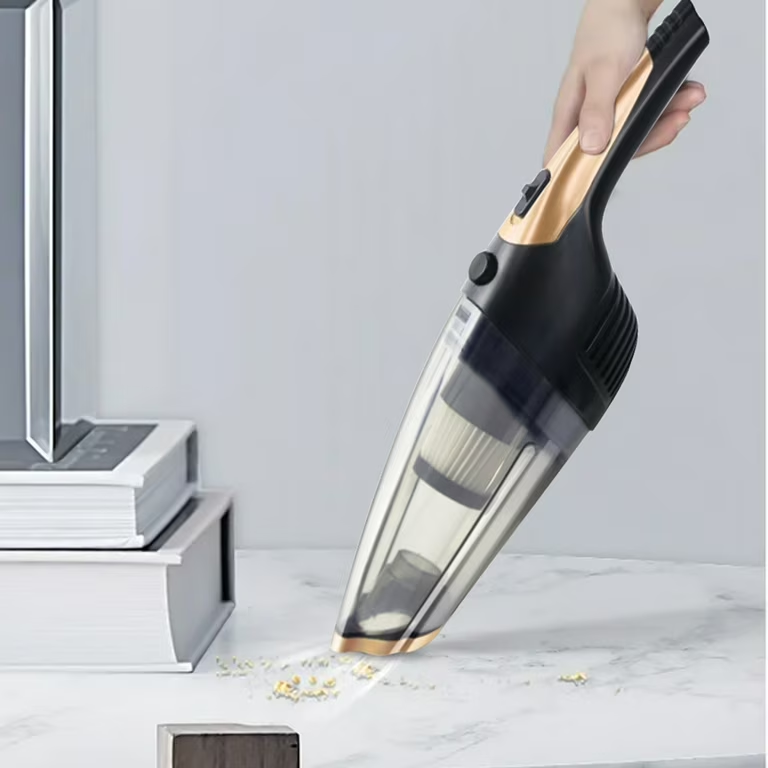
Why is a Dedicated Car Vacuum a Game-Changer?
You might be wondering, “Can’t I just use my regular home vacuum?” While you can, it’s often a clumsy, frustrating experience. A dedicated car vacuum is specifically designed for the tight, awkward spaces of a vehicle’s interior. They are more portable, come with specialized attachments for vents and crevices, and save you the hassle of lugging a heavy household unit out to the driveway. A good portable vacuum is the cornerstone of effective car detailing. For car vacuum buying guides on this site.
Think of it as having the right tool for the job. You wouldn’t use a sledgehammer to hang a picture frame, right? Similarly, using a purpose-built car vacuum makes the cleaning process faster, more efficient, and frankly, a lot less of a chore.
The Main Players: Types of Car Vacuums
Before diving into features, it’s helpful to understand the main categories you’ll encounter. Your choice here will largely depend on your needs and where you typically park your car.
Corded vs. Cordless: The Eternal Debate
The biggest decision you’ll make is whether to go corded or cordless. A cordless car vacuum offers unparalleled freedom and convenience. You can clean your car anywhere, anytime, without worrying about finding a power outlet. However, you’re limited by battery life. A corded model, which typically plugs into your car’s 12V cigarette lighter, offers consistent, uninterrupted power, which is great for deep cleaning sessions. The trade-off is the cord, which can sometimes get tangled or limit your reach.
Wet & Dry Vacuums: The Spill Specialists
Most vacuums are dry-only, but some models are designed to handle both dry debris and liquid spills. If you frequently have kids with juice boxes or are prone to coffee mishaps, a wet & dry model can be a lifesaver. They provide that extra peace of mind for tackling unexpected messes before they become permanent stains.
What to Look For: A Deep Dive Handheld Car Vacuum Cleaner Review
|
Our Picks for the Best Car Vacuum Cleaner in 2026
As an Amazon Associate, we earn from qualifying purchases.
|
||
| Num | Product | Action |
|---|---|---|
| 1 | BISSELL Little Green Mini Portable Carpet and Upholstery Deep Cleaner, Car/Auto Detailer, with HydroRinse Self-Cleaning Tool and 4\" Tough Stain Tool, Tea Green, 4075 |

|
| 2 | BISSELL Little Green Mini Portable Carpet and Upholstery Deep Cleaner, Car/Auto Detailer, with HydroRinse Self-Cleaning Tool and 4\" Tough Stain Tool, Tea Green, 4075 |
|
| 3 | Gtech Multi MK2 K9 Cordless Handheld Vacuum Cleaner - Portable Vacuum Cleaner for Car, Home, and More - Reinforced with Lightweight Aluminum - Rechargeable - Pet Vacuum |
|
| 4 | KMM Handheld Car Vacuum Cleaner, 9000Pa Vacuum Cleaner and Air Duster, 120W High Power Hand Held Vacuum with LED Light and Multi-Nozzles for Car, Home, Office, Pet |
|
| 5 | Minthouz Handheld Vacuum Cordless, Strong Suction Car Vacuum Cleaner with LED Light, Long Runtime Hand Vacuum Cordless Rechargeable, Hand Held Vac with Charging Base for Home/Car/Pet/Office |
|
| 6 | BLACK+DECKER dustbuster Handheld Vacuum, Cordless Car Vacuum Portable 12V, with Rotating and Extendable Nozzle (HHVI320JR02) |
|
| 7 | Fanttik Slim V8 APEX Car Vacuum, 4-in-1 Portable Mini Cordless Vacuum with 19000pa Suction Power, Type-C Charge, 2 Suction Modes, Handheld Vacuum for Small Jobs, Car, Office Desk, Keyboards (Black) |
|
| 8 | Car Vacuum Portable Cordless, 18000Pa 2 in 1 Vacuum Cleaner&Air Duster, 130W Brushless Motor Handheld Vacuum Cordless with 7800mAh Battery, LED Light, Multi-Nozzles for Car, Home, Office, Pet |
|
| 9 | BLACK+DECKER dustbuster AdvancedClean Cordless Handheld Vacuum, Compact Home and Car Vacuum with Crevice Tool (CHV1410L) |
|
| 10 | BLACK+DECKER dustbuster QuickClean Cordless Handheld Vacuum, Car Vacuum Portable (HNVC215B10) |
|
How do you choose the best car vacuum? It comes down to a few key features that separate the champs from the chumps. This section of our handheld car vacuum cleaner review will guide you through the technical specs that truly matter.
- Suction Power: The heart of any vacuum. Look for specs listed in Pascals (Pa) or Air Watts (AW). Higher numbers mean stronger suction. For a car, anything above 5,000 Pa is decent, but premium models can reach 15,000 Pa or more.
- Battery Life (for cordless models): Aim for a model with a lithium-ion battery that offers at least 15-20 minutes of runtime. This is usually enough for a thorough clean. Also, check the charging time—you don’t want to wait hours for a few minutes of power.
- Attachments & Accessories: This is where the magic happens. A good set of attachments is crucial for reaching every nook and cranny. Essential tools include a crevice tool for tight spaces, a brush tool for upholstery and vents, and an extension hose for reaching under seats.
- Filtration System: A quality filter, especially a HEPA filter, traps fine dust, pollen, and allergens, preventing them from being recirculated back into your car’s air. This is a must-have for allergy sufferers.
- Dustbin Capacity: A larger dustbin means fewer trips to the trash can. However, a larger bin can also make the vacuum bulkier. It’s a balance between capacity and portability.
As John Carter, a professional car detailer with over 15 years of experience, puts it: “Everyone gets fixated on raw suction power, but I tell my clients that the right attachments are what truly make a difference. A crevice tool that can get between the seat and the center console is worth its weight in gold.”
How to Use Your Handheld Car Vacuum Like a Pro
Owning a great tool is only half the battle; knowing how to use it effectively is what delivers those showroom-clean results. Follow these steps for a professional-level clean.
- Declutter First: Before you even turn the vacuum on, remove all trash, floor mats, and loose items from the car. This gives you a clear workspace.
- Start from the Top Down: Just like cleaning a house, begin with the highest surfaces. Vacuum the dashboard, door panels, and headliner (gently!) first. This ensures any dislodged dust falls onto surfaces you haven’t cleaned yet.
- Tackle the Seats: Use the brush attachment to agitate and loosen dirt from the upholstery before sucking it up. Pay close attention to the seams and use the crevice tool to get deep into the cracks. For stubborn pet hair, a specialized rubber-bristled attachment works wonders.
- Move to the Floor: Now it’s time for the carpets and floor. Work in sections, moving the seats forward and back to access every square inch. The crevice tool is your best friend for the tracks the seats slide on.
- Don’t Forget the Details: Use your attachments to clean out air vents, cup holders, and the small pockets in your doors. These are the areas that collect the most crumbs and dust.
- Clean the Floor Mats Separately: Take the floor mats out of the car, shake them out vigorously, and then give them a thorough vacuuming before placing them back inside.
- Final Pass and Empty: Do one last quick pass over any areas you might have missed. Finally, empty the vacuum’s dustbin so it’s ready for next time. A full dustbin can significantly reduce suction power.
Pro Tips for Tackling Tricky Spots
Even with the best technique, some areas are a real challenge. Here are a few insider tricks:
- Compressed Air for Vents: Before vacuuming your air vents, use a can of compressed air to blow out any deep-seated dust. The vacuum can then easily pick it up.
- Stiff Brush for Mats: For ground-in dirt in your carpeted floor mats, use a stiff brush to agitate the fibers while you vacuum. This helps lift stubborn debris.
- The “Seat Gap” Problem: That frustrating gap between the front seats and the center console is a black hole for phones, fries, and dirt. Use the longest, thinnest crevice tool you have and attack it from both the front and back of the seat.
Keeping Your Vacuum in Tip-Top Shape: Maintenance Guide
To ensure your investment lasts, a little maintenance goes a long way. The most important task is regularly cleaning the filter. A clogged filter is the number one cause of poor suction. Most filters are washable; just be sure to let it dry completely (for at least 24 hours) before putting it back in. Also, periodically check the brush attachments for tangled hair or string and clear them out. Refer to our guide on how to properly maintain your cleaning tools for more details.
Frequently Asked Questions (FAQ)
Q: Can I use a regular home vacuum for my car?
A: Yes, but it’s not ideal. Household vacuums are bulky and their attachments are often too large for a car’s tight spaces. A handheld car vacuum is a far more efficient and convenient tool for the job.
Q: How much suction power do I really need in a handheld car vacuum cleaner?
A: For general cleaning of dust and crumbs, 5,000 to 8,000 Pa is sufficient. If you regularly deal with pet hair or deeply embedded dirt in carpets, look for models with 10,000 Pa or more for the best results.
Q: How often should I vacuum my car?
A: For most people, a quick vacuum every one to two weeks is enough to keep things tidy. A deep clean, tackling every nook and cranny, should be done once every one or two months, depending on usage.
Q: Are wet/dry car vacuums worth the extra cost?
A: If you have children, pets, or are simply prone to spilling drinks, a wet/dry vacuum is absolutely worth it. The ability to quickly clean up a liquid mess can prevent stains and odors from setting in.
Q: What’s the difference between Air Watts and Pascals (Pa)?
A: Both measure suction, but in different ways. Pascals (Pa) measure raw suction pressure (the “pull”), while Air Watts (AW) measure the overall airflow and power of the vacuum, making it a more comprehensive performance indicator. Both are useful, but Air Watts often give a better real-world picture.
The Final Word on Your Car Cleaning Companion
Investing in a quality machine after reading a thorough handheld car vacuum cleaner review isn’t just about cleanliness; it’s about protecting the value of your vehicle and making your time on the road more enjoyable. A clean car is a happy car. By understanding key features like suction power, battery life, and the importance of good attachments, you can confidently choose a portable vacuum that will serve you well for years to come.
What’s your biggest car cleaning challenge? Share your experiences or ask any questions in the comments below! We’d love to help.
Get our weekly buyer guide
Practical specs, not advice. Unsubscribe anytime.
