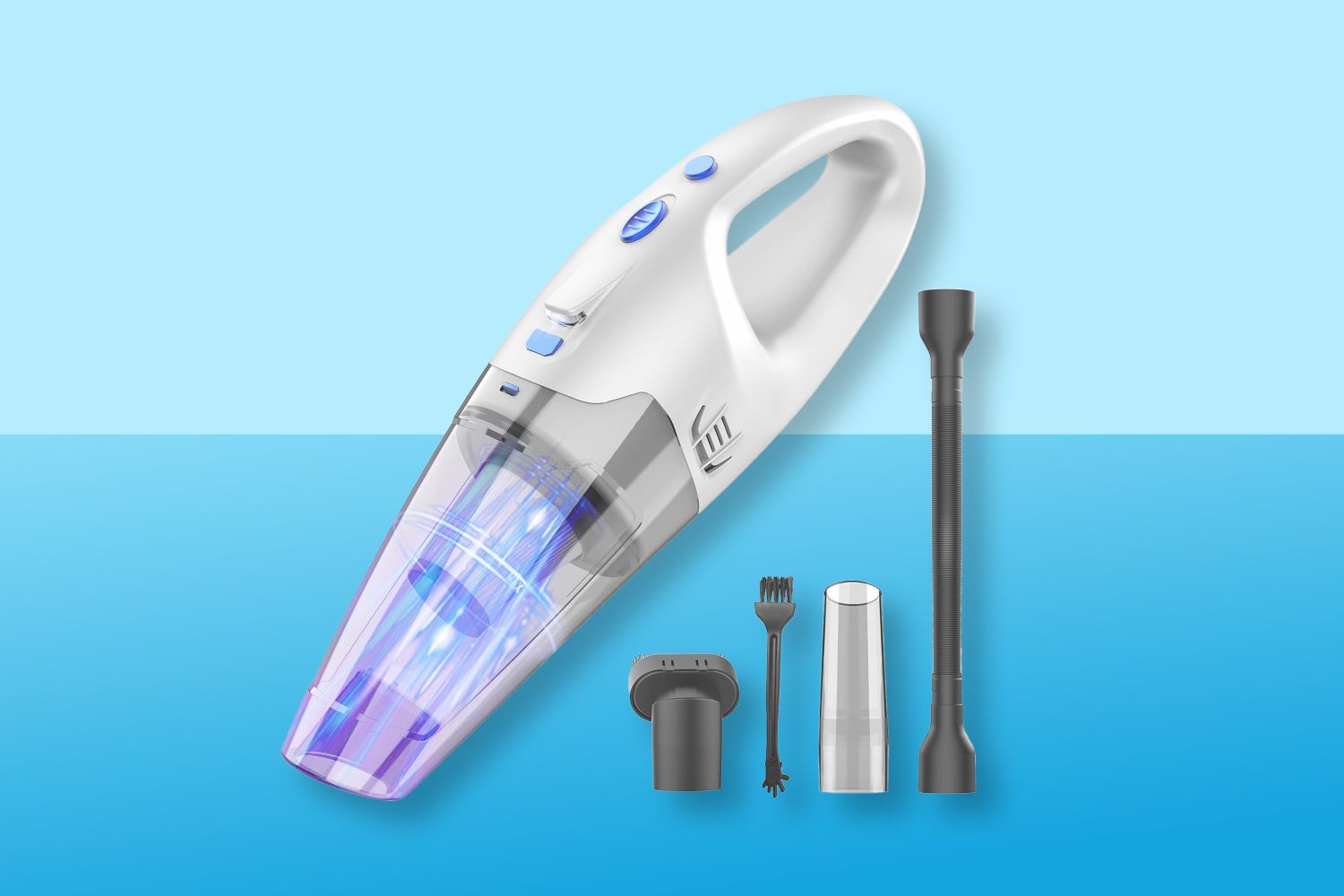
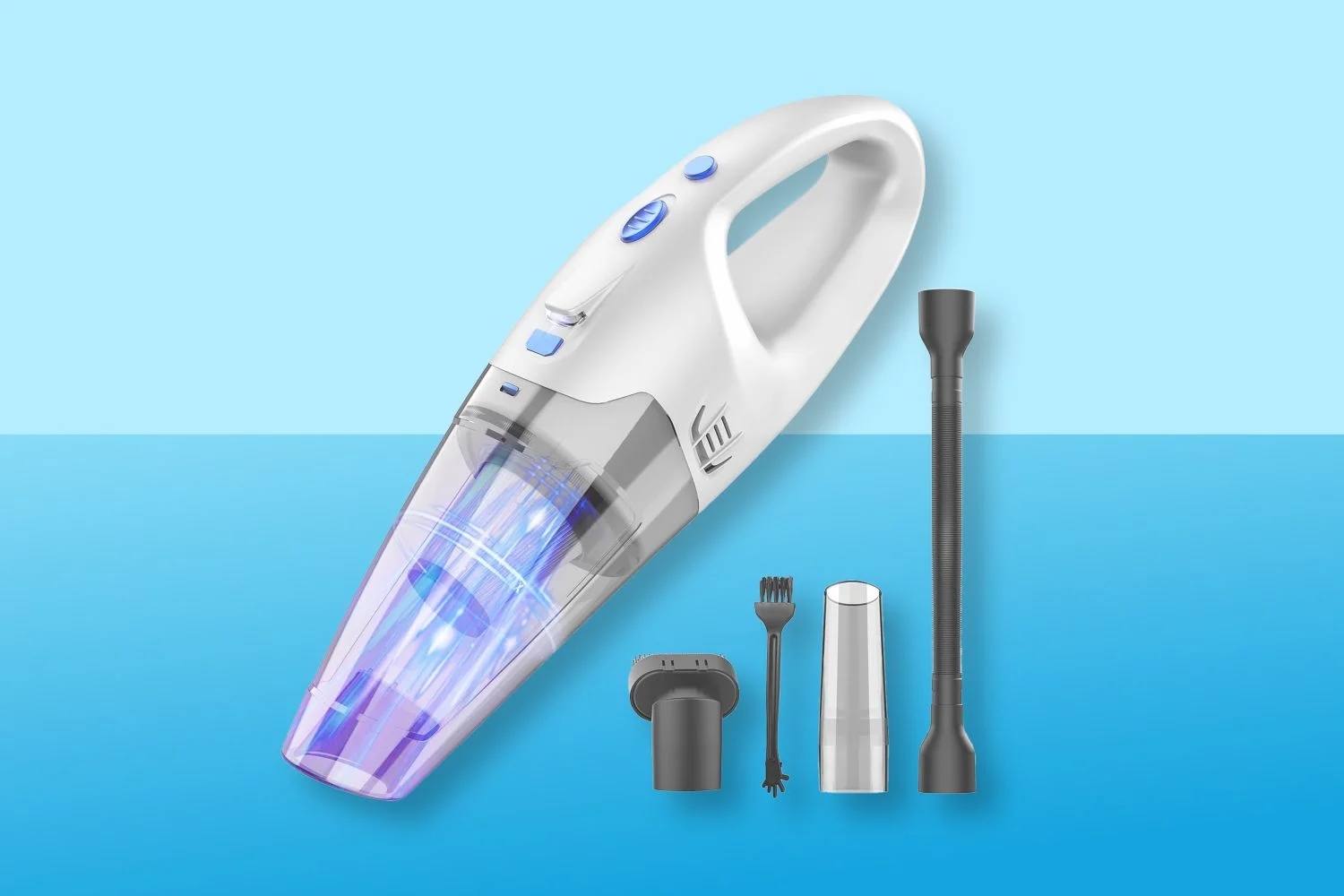
A dedicated car vacuum cleaner is a smart investment for maintaining your vehicle’s interior, offering compact design, specialized attachments, and superior convenience compared to household vacuums. Prices for car vacuum cleaners in 2025 typically range from $25 for basic corded models to over $100 for premium cordless or wet/dry units with advanced features like HEPA filters and long battery life. These specialized tools efficiently tackle common car messes like coffee spills, cracker crumbs, and pet hair, preserving your car’s value and creating a healthier environment.
Keeping your car’s interior clean isn’t just about aesthetics; it’s about maintaining its value and creating a healthier environment for you and your passengers. A dedicated car vacuum is one of the smartest investments a car owner can make.
Why Do I Even Need a Special Car Vacuum?
You might be wondering, “Can’t I just use my household vacuum?” While you technically can, it’s often more trouble than it’s worth. Car vacuums are specifically designed for the unique challenges of a vehicle’s interior. They are compact, lightweight, and come with specialized attachments to tackle the tight corners, awkward crevices, and delicate surfaces that a full-sized vacuum just can’t handle. Think of it as using a scalpel versus a butter knife for a precision job.
A good portable vacuum for your car saves you time, frustration, and those recurring costs at the local car wash. It puts the power of professional-level car detailing right in your hands.
The Main Players: Types of Car Vacuums
Before we dive into a price comparison, it’s crucial to understand the different types you’ll encounter. The price is often directly tied to the type and its features.
Cordless Car Vacuums
These are the champions of convenience. Powered by rechargeable batteries (usually Lithium-ion), they offer complete freedom of movement. No more searching for a power outlet or tripping over cords. I used to struggle with pet hair from my Golden Retriever on the back seats until I switched to a cordless model. The ability to quickly grab it and do a 5-minute cleanup has been a major upgrade.
- Pros: Ultimate portability, easy to use and store.
- Cons: Limited run time, suction power may be slightly less than corded models.
Corded Car Vacuums
These models plug directly into your car’s 12V cigarette lighter socket. Their biggest advantage is consistent, uninterrupted power. You’ll never have to worry about the battery dying halfway through cleaning the trunk.
- Pros: Unlimited run time, often powerful and reliable suction.
- Cons: The cord can be cumbersome and limit your reach.
Wet & Dry Car Vacuums
|
Our Picks for the Best Car Vacuum Cleaner in 2026
As an Amazon Associate, we earn from qualifying purchases.
|
||
| Num | Product | Action |
|---|---|---|
| 1 | Minthouz Handheld Vacuum Cordless, Strong Suction Car Vacuum Cleaner with LED Light, Long Runtime Hand Vacuum Cordless Rechargeable, Hand Held Vac with Charging Base for Home/Car/Pet/Office |

|
| 2 | BLACK+DECKER dustbuster Handheld Vacuum, Cordless Car Vacuum Portable 12V, with Rotating and Extendable Nozzle (HHVI320JR02) |
|
| 3 | KMM Handheld Car Vacuum Cleaner, 9000Pa Vacuum Cleaner and Air Duster, 120W High Power Hand Held Vacuum with LED Light and Multi-Nozzles for Car, Home, Office, Pet |
|
| 4 | BLACK+DECKER dustbuster AdvancedClean Cordless Handheld Vacuum, Compact Home and Car Vacuum with Crevice Tool (CHV1410L) |
|
| 5 | BLACK+DECKER dustbuster QuickClean Cordless Handheld Vacuum, Car Vacuum Portable (HNVC215B10) |
|
| 6 | Gtech Multi MK2 K9 Cordless Handheld Vacuum Cleaner - Portable Vacuum Cleaner for Car, Home, and More - Reinforced with Lightweight Aluminum - Rechargeable - Pet Vacuum |
|
| 7 | Car Vacuum Portable Cordless, 18000Pa 2 in 1 Vacuum Cleaner&Air Duster, 130W Brushless Motor Handheld Vacuum Cordless with 7800mAh Battery, LED Light, Multi-Nozzles for Car, Home, Office, Pet |
|
| 8 | Fanttik Slim V8 APEX Car Vacuum, 4-in-1 Portable Mini Cordless Vacuum with 19000pa Suction Power, Type-C Charge, 2 Suction Modes, Handheld Vacuum for Small Jobs, Car, Office Desk, Keyboards (Black) |
|
| 9 | BISSELL Little Green Mini Portable Carpet and Upholstery Deep Cleaner, Car/Auto Detailer, with HydroRinse Self-Cleaning Tool and 4\" Tough Stain Tool, Tea Green, 4075 |
|
| 10 | BISSELL Little Green Mini Portable Carpet and Upholstery Deep Cleaner, Car/Auto Detailer, with HydroRinse Self-Cleaning Tool and 4\" Tough Stain Tool, Tea Green, 4075 |
|
These are the versatile workhorses. They can handle not only dust and debris but also liquid spills. If you have kids or are prone to coffee mishaps, a wet/dry vacuum can be a lifesaver, preventing stains from setting in.
- Pros: Highly versatile, can clean up both solid and liquid messes.
- Cons: Can be a bit bulkier and may require more maintenance (cleaning the tank after wet use).
Decoding the Specs: A Car Vacuum Cleaner Price Comparison Deep Dive
What separates a $30 vacuum from a $150 one? It’s all in the details. Here are the key features that influence price and performance.
How Important is Suction Power?
Very important, but it’s not the whole story. Suction power is often measured in Pascals (Pa) or Air Watts (AW). For 2025, look for models with at least 5,000 Pa for basic tasks, and 10,000 Pa or more for deep cleaning, especially if you have pets.
“Don’t just chase the highest Pa number. The design of the nozzle and the quality of the attachments are what truly make a difference in getting dirt out of tight spaces. A vacuum with slightly less power but a brilliant crevice tool will often outperform a more powerful but poorly designed one.” – John Carter, Professional Car Detailer, 15 years of experience.
Battery Life and Charging Time
For a cordless car vacuum, this is paramount. A good model in 2025 should offer at least 20-30 minutes of continuous run time on a single charge. Also, check the charging time – you don’t want a vacuum that takes 8 hours to charge for 15 minutes of use. Models with fast-charging USB-C ports are becoming increasingly common and are a huge plus.
Attachments and Accessories
Attachments turn a simple vacuum into a versatile detailing tool. The price often reflects the number and quality of included accessories. Essential attachments include:
- Crevice Tool: For getting between seats and into tight corners.
- Brush Tool: For agitating dust from upholstery and carpets.
- Extension Hose: For reaching under seats and into the trunk.
Filtration System: the HEPA Filter
The filter is what traps fine dust, pollen, and allergens, preventing them from being blown back into your car’s air. A HEPA filter is the gold standard, capturing 99.97% of particles. This is especially important for allergy sufferers. Vacuums with washable, reusable filters can also save you money in the long run.
Dustbin Capacity
This determines how often you have to stop and empty the vacuum. A larger capacity is more convenient, but it can also make the unit bulkier. Look for a model with a transparent dustbin and a one-touch empty mechanism for mess-free disposal.
A Quick Comparison Table
| Feature Tier | Price Range (Approx. USD) | Key Characteristics | Best For |
|---|---|---|---|
| Budget | $25 – $50 | Basic suction (3000-5000 Pa), corded, limited attachments, standard filter. | Quick, light cleanups and budget-conscious buyers. |
| Mid-Range | $50 – $100 | Good suction (8000-12000 Pa), often cordless with 20-25 min runtime, HEPA filter, good accessory kit. | The average car owner needing a reliable tool. |
| Premium | $100+ | Excellent suction (15000+ Pa), long battery life (30+ min), brushless motor, premium build, wet/dry capability. | Car enthusiasts, pet owners, and families. |
How to Use Your Car Vacuum Like a Pro
- Declutter First: Remove all floor mats, trash, and loose items from the car. This gives you a clear workspace.
- Start High, Go Low: Begin by vacuuming the dashboard, console, and door panels. This allows any dislodged dust to fall to the floor, which you’ll clean last.
- Use the Right Tool for the Job: Attach the brush tool for upholstery and the crevice tool for seams and tight spots. Don’t be afraid to switch attachments frequently.
- Tackle the Carpets: Vigorously vacuum the carpets and floor mats. For stubborn dirt, use the brush attachment to agitate the carpet fibers before vacuuming.
- the Hidden Spots: Slide the seats all the way forward and back to vacuum the rails and the areas underneath.
Your Pre-Purchase Checklist
Before you click “buy,” run through this quick checklist:
- Does it have enough suction power for my needs (e.g., pet hair, kids’ messes)?
- If cordless, is the battery life sufficient for cleaning my entire car?
- Does it come with the essential attachments (crevice, brush)?
- Does it have a good filtration system, ideally a washable HEPA filter?
- Is the dustbin easy to empty?
- Do the user reviews align with the manufacturer’s claims?
Frequently Asked Questions (FAQ)
Q: Can I use a regular home vacuum for my car?
A: You can, but it’s not ideal. They are bulky, require a power outlet, and their attachments are often too large for the tight spaces in a car. A dedicated car vacuum is far more efficient and convenient for the job.
Q: What is a good suction power for a car vacuum cleaner in 2025?
A: For general cleaning, aim for at least 8,000 Pa. If you regularly deal with heavy debris or stubborn pet hair, look for a model with 12,000 Pa or more. The technology is always improving, so these numbers represent a solid baseline for a good car vacuum cleaner.
Q: Are cordless car vacuums powerful enough?
A: Absolutely. Modern cordless vacuums with high-quality lithium-ion batteries and brushless motors can be just as powerful, if not more so, than many corded 12V models. The key is to look at premium and mid-range options.
Q: How often should I clean my car’s interior with a vacuum?
A: For a consistently clean car, a quick 5-10 minute vacuum once a week is recommended. A deep clean, including under the seats and in all crevices, should be done at least once a month.
Q: What’s the difference between a car vacuum and a UK ‘car hoover’?
A: There is no difference in the product itself. “Hoover” is a brand name that has become a generic term for a vacuum cleaner in the United Kingdom and some other countries, much like “Kleenex” is used for tissues in the US.
The Final Word
Choosing the right tool is the first step toward a permanently clean car. Our car vacuum cleaner price comparison is designed to demystify the options and empower you to make an informed decision. An investment in a quality, convenient car vacuum isn’t just about cleaning; it’s about reclaiming your car’s interior, protecting its value, and enjoying a more pleasant drive every single day.
Have you found a car vacuum that you swear by? Share your experiences or ask any lingering questions in the comments below! We’d love to hear from you.
How to Use Your Car Vacuum Like a Pro
Follow these steps to effectively clean your car's interior using a car vacuum, ensuring no spot is missed and maximizing cleanliness.
Before you begin vacuuming, remove all floor mats, trash, and any loose items from the car. This clears your workspace and allows for unobstructed access to all surfaces.
Begin by vacuuming the highest points of your car's interior, such as the dashboard, console, and door panels. This ensures that any dislodged dust or debris falls to the floor, which will be cleaned last.
Utilize the appropriate attachments for each task. Use the brush tool for upholstery and carpets to agitate dirt, and switch to the crevice tool for seams, tight corners, and hard-to-reach spots between seats.
Vigorously vacuum all carpets and floor mats. For stubborn dirt embedded in carpet fibers, use the brush attachment to loosen it before vacuuming thoroughly.
Don't forget the hidden areas. Slide the seats all the way forward and then all the way back to vacuum the seat rails and the areas underneath, ensuring a complete clean.
Get our weekly buyer guide
Practical specs, not advice. Unsubscribe anytime.

I finally bit the bullet and got a cordless car vacuum, and it’s a game-changer! My old household vacuum was such a pain to drag out to the driveway. This one makes quick work of all the cracker crumbs my kids leave behind. The battery life is surprisingly good too, I can do both cars on one charge.
This is a solid investment for anyone who cares about their car’s interior. I went with a wet/dry unit because I tend to spill coffee more often than I’d like to admit. It handled a recent spill like a champ, no stains left behind. The specialized attachments are super helpful for getting into tight spots.
I picked up one of the basic corded models for around $30, and it’s decent for the price. It definitely gets the job done on general dirt and dust. My only real complaint is that the suction isn’t quite strong enough for stubborn pet hair embedded in the carpet. You really have to work at it.
I was hesitant to spend over $100 on a vacuum just for my car, but the premium cordless model with the HEPA filter was totally worth it. My allergies have been so much better since I started using it regularly. It’s powerful, quiet, and makes keeping my car clean a breeze. Highly recommend for anyone with allergies or pets!