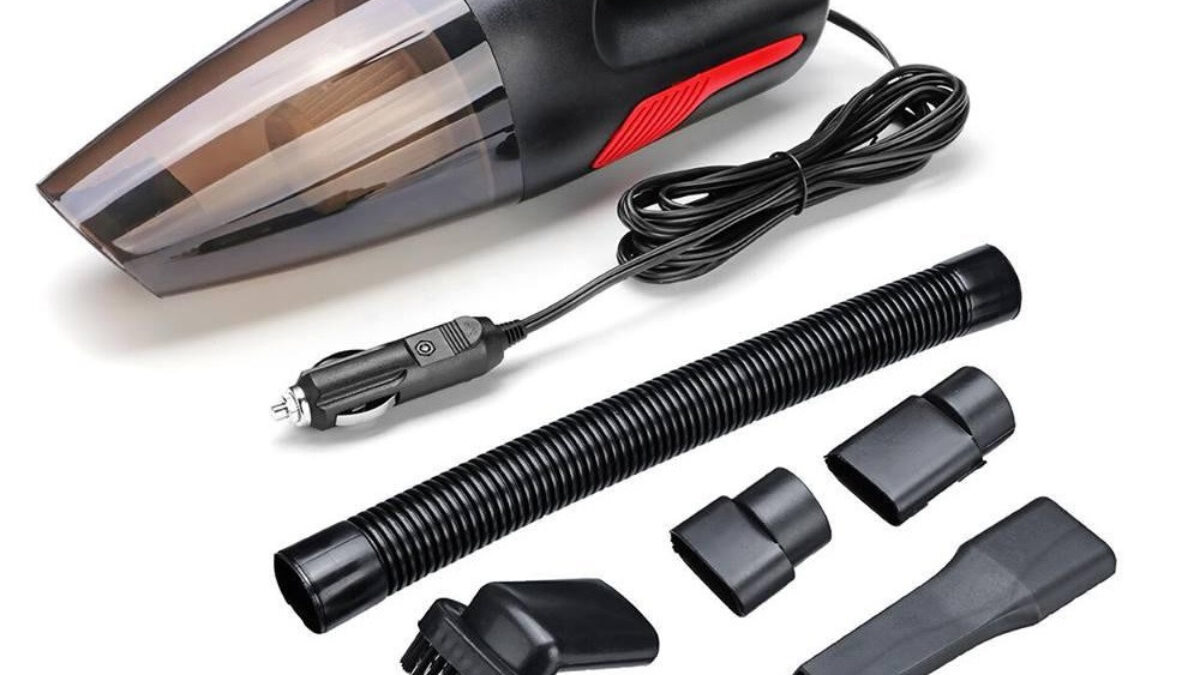
The best car vacuum cleaner deals today offer portable, specialized tools designed for automotive interiors, typically ranging from 5,000 Pa for basic tasks to over 15,000 Pa for deep cleaning. These vacuums feature compact designs, specialized attachments like crevice tools and brush heads, and flexible power sources (cordless or 12V corded) to efficiently tackle debris like fine dust, sand, and pet hair.
Think of this as your ultimate roadmap to navigating the world of portable vacuums. We’re not just going to show you what’s on sale; we’re going to help you understand what makes a car vacuum a must-have tool and how to choose one that will make you feel like you just drove out of a professional detailer’s shop.
Why a Dedicated Car Vacuum Isn’t Just a Luxury
You might be thinking, “Can’t I just use my home vacuum?” I get it. I used to think the same thing, lugging my heavy upright vacuum out to the driveway, fumbling with extension cords, and trying to jam a wide floor attachment into a tiny footwell. It was a frustrating, inefficient mess.
A dedicated car vacuum cleaner is a major upgrade for a few key reasons:
- Portability and Design: They are built to be compact and lightweight, allowing you to easily maneuver around seats, under pedals, and into tight corners where household vacuums can’t reach.
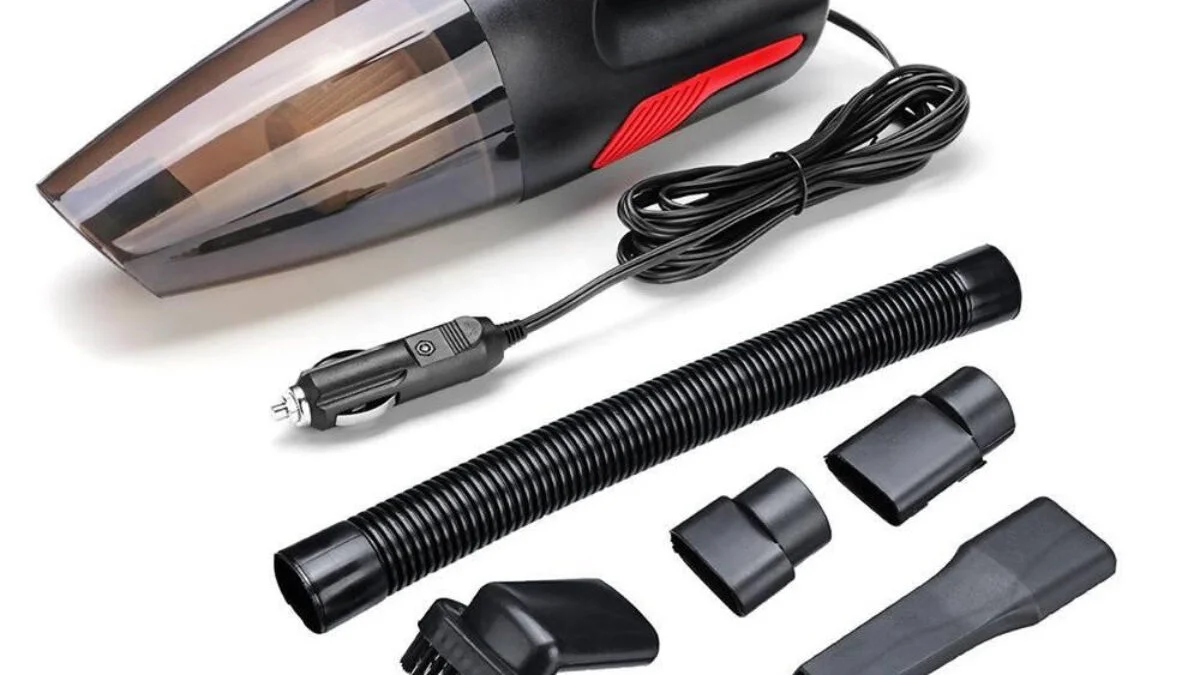
- Specialized Attachments: Most car vacuums come with a suite of tools like crevice nozzles, brush heads, and extension hoses specifically designed for automotive interiors.
- Power Source Flexibility: Whether you choose a cordless model for ultimate freedom or a 12V corded version that plugs into your car’s cigarette lighter, you won’t be tethered to a wall outlet.
- Efficient for Car Detailing: They are designed to tackle the specific types of debris found in cars—fine dust, sand, pet hair, and food particles—far more effectively than a generic vacuum.
What Kind of Car Vacuum Should You Get?
When you start browsing for deals, you’ll see a few main categories. Understanding the difference is the first step to finding the perfect match for your needs.
The Freedom of Cordless Car Vacuums
These are the most popular choice for a reason. Powered by rechargeable batteries (usually lithium-ion), they offer complete freedom of movement. No cords to untangle or get caught on tires. They are perfect for quick clean-ups and full interior details. The main thing to watch for is battery life and recharge time.
The Consistent Power of Corded Car Vacuums
These models plug directly into your car’s 12V outlet (the cigarette lighter). Their biggest advantage is unlimited runtime. You can clean for as long as you need without worrying about the battery dying. However, the cord can sometimes be cumbersome, and their suction power might be slightly less than top-tier cordless models.
The Versatility of Wet/Dry Vacuums
|
Our Picks for the Best Car Vacuum Cleaner in 2026
As an Amazon Associate, we earn from qualifying purchases.
|
||
| Num | Product | Action |
|---|---|---|
| 1 | BLACK+DECKER dustbuster QuickClean Cordless Handheld Vacuum, Car Vacuum Portable (HNVC215B10) |

|
| 2 | KMM Handheld Car Vacuum Cleaner, 9000Pa Vacuum Cleaner and Air Duster, 120W High Power Hand Held Vacuum with LED Light and Multi-Nozzles for Car, Home, Office, Pet |
|
| 3 | BISSELL Little Green Mini Portable Carpet and Upholstery Deep Cleaner, Car/Auto Detailer, with HydroRinse Self-Cleaning Tool and 4\" Tough Stain Tool, Tea Green, 4075 |
|
| 4 | Gtech Multi MK2 K9 Cordless Handheld Vacuum Cleaner - Portable Vacuum Cleaner for Car, Home, and More - Reinforced with Lightweight Aluminum - Rechargeable - Pet Vacuum |
|
| 5 | BLACK+DECKER dustbuster Handheld Vacuum, Cordless Car Vacuum Portable 12V, with Rotating and Extendable Nozzle (HHVI320JR02) |
|
| 6 | BLACK+DECKER dustbuster AdvancedClean Cordless Handheld Vacuum, Compact Home and Car Vacuum with Crevice Tool (CHV1410L) |
|
| 7 | Fanttik Slim V8 APEX Car Vacuum, 4-in-1 Portable Mini Cordless Vacuum with 19000pa Suction Power, Type-C Charge, 2 Suction Modes, Handheld Vacuum for Small Jobs, Car, Office Desk, Keyboards (Black) |
|
| 8 | Car Vacuum Portable Cordless, 18000Pa 2 in 1 Vacuum Cleaner&Air Duster, 130W Brushless Motor Handheld Vacuum Cordless with 7800mAh Battery, LED Light, Multi-Nozzles for Car, Home, Office, Pet |
|
| 9 | Minthouz Handheld Vacuum Cordless, Strong Suction Car Vacuum Cleaner with LED Light, Long Runtime Hand Vacuum Cordless Rechargeable, Hand Held Vac with Charging Base for Home/Car/Pet/Office |
|
| 10 | BISSELL Little Green Mini Portable Carpet and Upholstery Deep Cleaner, Car/Auto Detailer, with HydroRinse Self-Cleaning Tool and 4\" Tough Stain Tool, Tea Green, 4075 |
|
Spilled a soda? Kids tracked in muddy, wet leaves? A wet/dry car vacuum is your hero. These machines are built to handle both solid debris and liquid spills, making them incredibly versatile for families or anyone living in a region with lots of rain or snow.
How to Choose the Best Car Vacuum Cleaner Deals Today
Finding a great price is one thing, but finding a great price on a great vacuum is the real goal. Here are the critical features to evaluate when comparing different car vacuum cleaner deals today.
- Suction Power: This is the most important factor. Suction is often measured in Pascals (Pa) or Air Watts (AW). Don’t just look for the highest number; look for a balance. A good cordless car vacuum typically offers suction power between 5,000 Pa for basic tasks and upwards of 15,000 Pa for deep cleaning.
- Battery Life (for Cordless Models): Look for a model that provides at least 15-20 minutes of continuous runtime on a full charge. Premium models can last for 30 minutes or more. Also, check the charging time—you don’t want a vacuum that takes 8 hours to charge for 15 minutes of use.
- Attachments and Accessories: The right tools make all the difference. A good package should include:
- A crevice tool for tight spaces between seats.
- A brush tool for agitating dust from upholstery and carpets.
- An extension hose for reaching under seats and into air vents.
- Filtration System: A vacuum with a HEPA filter is excellent for trapping fine dust, pollen, and pet dander, which is a must for allergy sufferers. Washable filters are a plus, as they save you money on replacements. Our guide on how to clean your car vacuum filter can help you maintain it.
- Dustbin Capacity: A larger dustbin means you can clean more before having to stop and empty it. However, this can also add to the vacuum’s size and weight, so find a balance that works for you.
“Amateur detailers focus only on suction power. Pros know that the right set of attachments is what truly separates a quick tidy-up from a deep, satisfying clean. A long, flexible crevice tool is non-negotiable.” – David Chen, professional auto detailer with over a decade of experience.
How to Use Your New Car Vacuum Like a Pro
Once you’ve snagged one of the fantastic car vacuum cleaner deals today, it’s time to put it to work. Follow these steps for a showroom-quality clean.
- Declutter First: Remove all the trash, floor mats, and personal items from your car. This gives you a clear workspace.
- Start High, Go Low: Begin by vacuuming the dashboard, console, and door panels. This allows dust and debris to fall to the floor, where you can get it on your final pass.
- Work the Upholstery: Use the brush attachment to vacuum the seats. The bristles will help loosen embedded dirt and pet hair. Recline the seats to get into the creases where crumbs love to hide.
- Tackle the Carpets and Floor Mats: Switch to a wider nozzle or just the vacuum’s main opening for the floor. For the floor mats, take them out of the car, shake them out, and then vacuum them thoroughly before putting them back.
- Detail the Tight Spots: Use the crevice tool for the tightest spots: around the gear shift, along the seat tracks, and inside door pockets. An extension hose is great for getting deep into air vents.
Pro Tips for Those Annoying Nooks and Crannies
Some spots in a car seem designed to trap dirt forever. Here’s how to win the battle.
Under the Seats
Slide the front seats all the way forward to vacuum behind them, then all the way back to get the space in front. An extension hose or a vacuum with a built-in LED light is your best friend here.
In the Vents
Use a soft-bristled brush attachment to gently dislodge dust from your AC vents while the vacuum sucks it away.
Between the Console and Seats
This is the black hole where phones, fries, and coins disappear. The crevice tool was born for this job.
A Quick Comparison of Popular Car Vacuum Features
| Feature | Budget-Friendly Model | Mid-Range Model | Premium Model |
|---|---|---|---|
| Suction Power | 5,000 – 8,000 Pa | 8,000 – 12,000 Pa | 15,000+ Pa |
| Battery Life | 10-15 minutes | 20-25 minutes | 30+ minutes |
| Filter Type | Standard Washable | Enhanced Fabric/HEPA | Multi-stage HEPA |
| Attachments | 2 (Crevice, Brush) | 3-4 (Hose included) | Full detailing kit |
| Special Feature | Basic 12V charging | Fast charging, LED light | Wet/Dry capability |
Keeping Your Car Vacuum in Top Shape
To ensure your vacuum cleaner performs well for years, a little maintenance goes a long long way.
- Empty the dustbin after every use to maintain maximum suction.
- Clean the filter regularly according to the manufacturer’s instructions. A clogged filter is the number one cause of poor performance.
- Check the brush roll (if it has one) for tangled hair or string and remove it.
- Store it properly in a cool, dry place. Many vacuums come with a storage bag to keep all the attachments together.
Frequently Asked Questions (FAQ)
Q: Can I just use a regular home vacuum for my car?
A: You can, but it’s not ideal. Home vacuums are bulky, often require a wall outlet, and their attachments are too large for the tight spaces in a car’s interior. A dedicated portable car vacuum is far more efficient and effective.
Q: What is considered good suction power for a car vacuum?
A: For most daily messes like dust and crumbs, 5,000 to 8,000 Pa is sufficient. For tougher jobs like embedded pet hair or sand from the beach, look for a model with 10,000 Pa or more.
Q: Should I get a corded or cordless car vacuum?
A: It depends on your needs. If you value convenience and want to do quick clean-ups without hassle, go cordless. If you prefer unlimited runtime for deep cleaning sessions and don’t mind a cord, a 12V corded model is a reliable choice.
Q: How often should I vacuum my car?
A: For a daily driver, a quick vacuum once a week is a great habit to maintain cleanliness. A deep, thorough cleaning should be done at least once a month, or more often if you have kids or pets.
Q: Are wet/dry car vacuums worth it?
A: If you frequently deal with liquid spills from drinks, rain, or snow, a wet/dry vacuum is absolutely worth it. It provides peace of mind and can prevent stains and odors from setting into your car’s upholstery.
Your Final Stop for a Cleaner Car
Investing in a quality car vacuum is one of the best decisions you can make for your vehicle’s upkeep and your own peace of mind. It transforms a tedious chore into a quick and satisfying task. By focusing on the key features like suction power, battery life, and the right attachments, you can confidently sort through the many car vacuum cleaner deals today and find a tool that will serve you well for years to come.
What’s your biggest car cleaning challenge? Share your experience or ask any questions in the comments below! We’re here to help you on your journey to a permanently clean car.
Frequently Asked Questions
Can a regular home vacuum be used effectively for car cleaning?
No, a regular home vacuum is not ideal for car cleaning. They are often bulky, require a wall outlet, and their attachments are typically too large for the confined spaces within a car's interior, making a dedicated portable car vacuum far more efficient.
What suction power is recommended for a good car vacuum?
For general daily messes like dust and crumbs, a car vacuum with 5,000 to 8,000 Pascals (Pa) of suction power is usually sufficient. For more challenging tasks such as embedded pet hair or sand, a model offering 10,000 Pa or more is recommended.
Should I choose a corded or cordless car vacuum for my vehicle?
The choice between a corded and cordless car vacuum depends on your specific needs. Cordless models offer convenience for quick clean-ups and freedom of movement, while 12V corded models provide unlimited runtime for extensive deep cleaning sessions.
How frequently should I vacuum the interior of my car?
For a car used daily, a quick vacuum once a week helps maintain cleanliness. A more thorough, deep cleaning should be performed at least once a month, or more often if you regularly transport children or pets.
Are wet/dry car vacuums a worthwhile investment for car owners?
Yes, wet/dry car vacuums are a worthwhile investment if you frequently encounter liquid spills from drinks, rain, or snow. They are designed to handle both solid debris and liquids, providing peace of mind and helping to prevent stains and odors in your car's upholstery.
How to Use Your New Car Vacuum Like a Pro
Follow these steps to achieve a showroom-quality clean in your car using your new car vacuum cleaner.
Before you begin vacuuming, remove all trash, floor mats, and personal items from your car. This crucial first step creates a clear and unobstructed workspace, allowing for a more efficient and thorough cleaning process.
Start by vacuuming the highest surfaces, such as the dashboard, center console, and door panels. This method ensures that any dust or debris dislodged from these areas falls to the floor, where it can be easily collected during your final pass.
Use a brush attachment to vacuum the seats, as the bristles help to agitate and loosen embedded dirt and pet hair. Recline the seats to access creases and hidden areas where crumbs and debris often accumulate.
Switch to a wider nozzle or the vacuum's main opening for the floor carpets. For floor mats, remove them from the car, shake them out vigorously to dislodge loose dirt, and then vacuum them thoroughly before placing them back inside the vehicle.
Utilize the crevice tool for hard-to-reach areas like around the gear shift, along seat tracks, and inside door pockets. An extension hose can be particularly effective for deep cleaning air vents and other intricate spaces.
Get our weekly buyer guide
Practical specs, not advice. Unsubscribe anytime.

I finally caved and bought one of the cordless models after reading about the convenience. It’s a game-changer for quick cleanups, especially with two kids and a dog. The battery life is surprisingly good, and it handles all the crumbs and pet hair without a problem. Definitely recommend for anyone tired of lugging their house vacuum outside.
This is exactly what I needed! My old vacuum just couldn’t get into all the tight spots, but the specialized crevice tool on my new one makes a huge difference. It’s amazing how much dust and debris accumulates in those hard-to-reach areas. My car interior looks so much cleaner now.
I was excited about getting a compact car vacuum, but the one I got, while small, doesn’t quite live up to the deep cleaning claims. It struggles a bit with embedded dirt in the floor mats, even with the brush head attachment. It’s fine for light dust, but I was hoping for something with a bit more oomph for those tougher spots.
I picked up a 12V corded vacuum that was on sale, and it’s been pretty solid. The suction power is decent, probably around the 10,000 Pa mark, which is enough for most of the dirt and sand I track in. My only minor gripe is that the cord can sometimes get in the way, but for the price, it’s hard to beat.