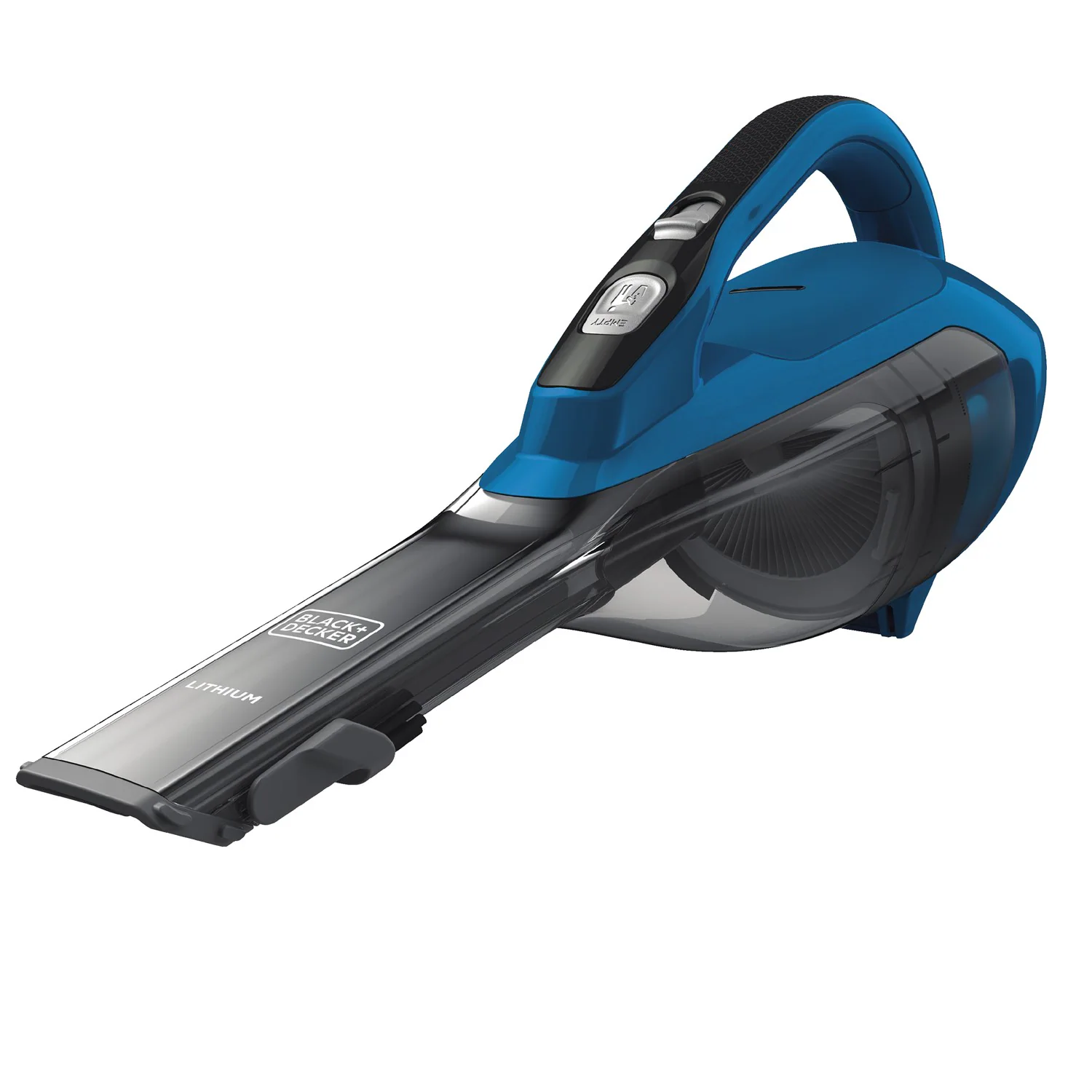
To buy a USB-powered car vacuum cleaner, prioritize models with at least 5,000 Pascals (Pa) of suction, 15-20 minutes of run time from a Lithium-ion battery, and essential attachments like a crevice tool and brush. These compact, portable devices are ideal for quick clean-ups and maintaining a tidy car interior, offering versatile charging via USB-C ports.
Why Bother With a Dedicated Car Vacuum?
You might be wondering, “Can’t I just use my home vacuum?” You could, but it’s a hassle. Lugging a heavy, corded machine out to the driveway, finding an extension cord, and trying to maneuver a bulky hose inside a cramped car is a recipe for frustration. A dedicated car vacuum, especially a portable one, is designed specifically for this job. They’re lightweight, compact, and come with attachments made for tight spaces. It’s about having the right tool for the right job, making a tedious chore quick and surprisingly satisfying. For complete car vacuum library on this site.
The Lowdown on Car Vacuum Types
Before you dive in, it helps to know the landscape. Car vacuums generally fall into a few categories:
- Corded Vacuums: These plug into your car’s 12V cigarette lighter. They offer consistent, strong power but you’re tethered by a cord.
- Cordless (Battery-Powered) Vacuums: The champions of convenience. They run on rechargeable batteries, offering total freedom of movement. This is where USB-powered models shine.
- Wet/Dry Vacuums: These handy devices can tackle both solid debris and liquid spills, perfect for those “oops” moments with your morning coffee.
Today, we’re focusing on the sweet spot of modern convenience: the cordless, USB-powered models. They are the go-to choice for quick clean-ups and maintaining that fresh-from-the-detailer look.
Key Features Before You Buy a USB Powered Car Vacuum Cleaner
Not all portable vacuums are created equal. When you’re ready to buy a USB powered car vacuum cleaner, wading through the technical specs can be confusing. Let’s break down what actually matters so you can make a smart choice.
Suction Power: More Than Just Hot Air
This is the big one. Suction power is what separates a useful tool from a useless toy. You’ll often see it measured in Pascals (Pa) or Air Watts (AW).
- Pascals (Pa): This measures the pressure difference, or pure suction force. For a decent car vacuum, look for something in the range of 5,000 Pa to 10,000 Pa. Anything less might struggle with anything heavier than dust.
- Air Watts (AW): This is a more comprehensive measurement that combines airflow with suction power. While less common on smaller models, a higher AW number is always better.
A word of caution: Don’t get fixated on the highest number. A well-designed nozzle and the right attachments can make a 6,000 Pa vacuum more effective than a poorly designed 8,000 Pa one.
Battery Life and Charging: The USB Advantage
|
Our Picks for the Best Car Vacuum Cleaner in 2026
As an Amazon Associate, we earn from qualifying purchases.
|
||
| Num | Product | Action |
|---|---|---|
| 1 | BLACK+DECKER dustbuster Handheld Vacuum, Cordless Car Vacuum Portable 12V, with Rotating and Extendable Nozzle (HHVI320JR02) |

|
| 2 | BLACK+DECKER dustbuster QuickClean Cordless Handheld Vacuum, Car Vacuum Portable (HNVC215B10) |
|
| 3 | Car Vacuum Portable Cordless, 18000Pa 2 in 1 Vacuum Cleaner&Air Duster, 130W Brushless Motor Handheld Vacuum Cordless with 7800mAh Battery, LED Light, Multi-Nozzles for Car, Home, Office, Pet |
|
| 4 | Gtech Multi MK2 K9 Cordless Handheld Vacuum Cleaner - Portable Vacuum Cleaner for Car, Home, and More - Reinforced with Lightweight Aluminum - Rechargeable - Pet Vacuum |
|
| 5 | BLACK+DECKER dustbuster AdvancedClean Cordless Handheld Vacuum, Compact Home and Car Vacuum with Crevice Tool (CHV1410L) |
|
| 6 | Minthouz Handheld Vacuum Cordless, Strong Suction Car Vacuum Cleaner with LED Light, Long Runtime Hand Vacuum Cordless Rechargeable, Hand Held Vac with Charging Base for Home/Car/Pet/Office |
|
| 7 | BISSELL Little Green Mini Portable Carpet and Upholstery Deep Cleaner, Car/Auto Detailer, with HydroRinse Self-Cleaning Tool and 4\" Tough Stain Tool, Tea Green, 4075 |
|
| 8 | Fanttik Slim V8 APEX Car Vacuum, 4-in-1 Portable Mini Cordless Vacuum with 19000pa Suction Power, Type-C Charge, 2 Suction Modes, Handheld Vacuum for Small Jobs, Car, Office Desk, Keyboards (Black) |
|
| 9 | KMM Handheld Car Vacuum Cleaner, 9000Pa Vacuum Cleaner and Air Duster, 120W High Power Hand Held Vacuum with LED Light and Multi-Nozzles for Car, Home, Office, Pet |
|
| 10 | BISSELL Little Green Mini Portable Carpet and Upholstery Deep Cleaner, Car/Auto Detailer, with HydroRinse Self-Cleaning Tool and 4\" Tough Stain Tool, Tea Green, 4075 |
|
The biggest benefit of a USB-powered model is its charging versatility. You can charge it in your car, with a laptop, or using a portable power bank.
- Run Time: Aim for a model that offers at least 15-20 minutes of continuous run time. This is usually plenty for a thorough clean of a standard sedan. Some premium models might push 30 minutes.
- Charge Time: How long does it take to get back to full power? Most take between 2 to 4 hours. USB-C charging is generally faster than older Micro-USB ports.
- Battery Type: Look for models with Lithium-ion (Li-ion) batteries. They hold a charge longer, have no “memory effect,” and deliver more consistent power than older battery types.
Attachments: The Secret to a Deep Clean
The vacuum itself is only half the story. The right attachments are what allow you to get into every nook and cranny. I used to wrestle with pet hair on my car seats until I found a model with a good motorized brush tool. It was a major upgrade.
“Don’t just look at the suction power. The right attachments are what make the difference between a surface clean and a true detail. A good crevice tool is non-negotiable.” – David Chen, Professional Auto Detailer, 15 years of experience.
Look for a kit that includes at least:
- Crevice Tool: For getting between seats, in door pockets, and around the center console.
- Brush Tool: For agitating dust from upholstery, carpets, and air vents.
- Extension Hose: For extra reach under seats and into the trunk.
Filtration: What’s a HEPA Filter Anyway?
A vacuum doesn’t just suck up dirt; it also expels air. A good filter traps fine dust, pollen, and other allergens, preventing them from being blown right back into your car’s cabin.
A HEPA (High-Efficiency Particulate Air) filter is the gold standard. It can capture 99.97% of particles as small as 0.3 microns. If you or your passengers have allergies, a washable HEPA filter is a must-have feature. It’s not only better for your health but also saves you money on replacements.
Dustbin Capacity: Size Does Matter
A larger dustbin means you can clean more before having to stop and empty it. For a compact car vacuum, a capacity of around 0.4 to 0.6 liters is a good target. Look for models with an easy-to-empty, one-touch release mechanism to make the process as painless as possible.
How to Use Your New Gadget Like a Pro
So you’ve decided to buy a USB powered car vacuum cleaner. Here’s how to use it for maximum effect.
- The Prep Work: Before you even turn the vacuum on, do a quick sweep. Remove any large items of trash, floor mats, and personal belongings. This gives you clear access to all surfaces.
- Top to Bottom: Gravity is your friend. Start by vacuuming the dashboard, center console, and door panels. This allows any dislodged dust and debris to fall to the floor, where you can get it in the final pass.
- Seats and Upholstery: Use the brush attachment to loosen stubborn dirt and pet hair from the seat fabric before sucking it up. Pay close attention to the seams where crumbs love to hide.
- Floors and Mats: Give the floor mats a good shake outside the car. Then, use the main nozzle or a wide attachment to vacuum the car’s carpeting. Slide the front seats all the way forward and back to get underneath them.
- The Nitty-Gritty: Now it’s time for the crevice tool. Use it to detail the areas between the seats and the console, in the seat tracks, and inside door storage compartments.
- Final Touches: Put the floor mats back in and give them one last quick vacuum to catch anything you brought in on your shoes.
Pro Tips for Tackling Those Awkward Spots
- Air Vents: Use the soft brush attachment to gently suck dust out of the vents without damaging them.
- Between the Seats: For that impossible-to-reach “canyon” next to the handbrake, the crevice tool is your best friend.
- Stuck-on Debris: For ground-in dirt in the carpet, use a stiff brush to agitate it first, then vacuum it up.
- Under the Pedals: this often-missed spot. Use an extension hose if you have one for better reach.
Keeping Your Vacuum in Tip-Top Shape
A little maintenance goes a long way in preserving suction power and extending the life of your device.
- Empty the Dustbin Regularly: Don’t wait until it’s overflowing. An overly full dustbin dramatically reduces suction power.
- Clean the Filter: This is crucial. After every few uses, remove the filter and tap it against the side of a trash can to dislodge fine dust. If it’s washable, rinse it under cool water and let it air dry completely (at least 24 hours) before putting it back. A clogged filter is the number one cause of poor performance.
- Check for Clogs: Occasionally check the nozzle and attachments for any blockages that could be restricting airflow.
Frequently Asked Questions (FAQ)
Q: Can I use a regular home vacuum for my car?
A: You can, but it’s not ideal. They are heavy, require a power outlet, and their large tools aren’t designed for the tight, awkward spaces inside a vehicle. A dedicated, portable car vacuum is far more efficient and convenient.
Q: Is the suction on a USB powered car vacuum cleaner strong enough?
A: Absolutely, for most daily cleaning tasks. While they may not have the raw power of a corded shop vac, a good quality model with 5,000 Pa or more is perfectly capable of handling crumbs, dust, pet hair, and small debris, which covers 95% of car messes.
Q: How often should I clean the filter?
A: It’s a good practice to tap out the dust after every use and give it a full wash every 4-5 uses, or whenever you notice a drop in suction power. Always make sure it’s completely dry before reinstalling.
Q: Can a USB powered vacuum handle pet hair?
A: Yes, especially if you choose a model that comes with a motorized brush or a rubberized pet hair attachment. These tools are specifically designed to lift stubborn hair from fabric and carpet fibers.
Q: What is a good suction power rating to look for when I buy a USB powered car vacuum cleaner?
A: For effective cleaning, look for a minimum of 5,000 Pascals (Pa). Models in the 7,000 to 10,000 Pa range will offer excellent performance for tackling more stubborn dirt and debris in your car.
The Final Word
Investing in a quality car vacuum is an investment in your driving experience. It transforms a frustrating chore into a quick, easy, and satisfying task. The convenience and versatility of modern cordless models mean there’s no excuse for putting up with a messy car. By focusing on the key features—suction power, battery life, useful attachments, and good filtration—your decision to buy a USB powered car vacuum cleaner will be a smart one that pays off every time you get behind the wheel of your sparkling clean car.
Have any car cleaning tips of your own, or a question we didn’t answer? Drop a comment below! We’d love to hear from you.
Frequently Asked Questions
Can a regular home vacuum be used effectively for car cleaning?
No, a regular home vacuum is not ideal for car cleaning. They are typically heavy, require a power outlet, and their large tools are not designed for the tight, awkward spaces inside a vehicle. A dedicated, portable car vacuum is far more efficient and convenient for automotive use.
Is the suction power of a USB-powered car vacuum sufficient for daily messes?
Yes, the suction on a USB-powered car vacuum cleaner is strong enough for most daily cleaning tasks. A good quality model with 5,000 Pa or more can effectively handle crumbs, dust, pet hair, and small debris, covering about 95% of common car messes.
How often should the filter in a car vacuum be cleaned?
It is good practice to tap out the dust from the filter after every use. A full wash should be performed every 4-5 uses, or whenever you notice a drop in suction power. Always ensure the filter is completely dry before reinstalling it, which can take at least 24 hours.
Are USB-powered car vacuums capable of removing pet hair from car interiors?
Yes, USB-powered vacuums can handle pet hair, especially if you select a model that includes a motorized brush or a rubberized pet hair attachment. These specialized tools are designed to effectively lift stubborn hair from car fabric and carpet fibers.
What suction power rating is recommended for an effective USB car vacuum?
For effective cleaning, look for a USB-powered car vacuum cleaner with a minimum suction power of 5,000 Pascals (Pa). Models offering 7,000 to 10,000 Pa will provide excellent performance for tackling more stubborn dirt and debris in your car.
How to Use Your USB Powered Car Vacuum Cleaner
Follow these steps to effectively clean your car interior using a USB-powered car vacuum cleaner, ensuring a thorough and efficient process.
Before starting the vacuum, remove all large trash items, floor mats, and personal belongings from the car. This clears the way for unobstructed access to all surfaces, making the cleaning process more efficient.
Begin by vacuuming the dashboard, center console, and door panels. This method allows any dislodged dust and debris to fall to the floor, where it can be easily collected during the final pass, leveraging gravity for a cleaner result.
Use the brush attachment to loosen stubborn dirt and pet hair from the seat fabric before vacuuming. Pay close attention to seams and crevices where crumbs and debris tend to accumulate, ensuring a comprehensive clean.
Take the floor mats out of the car and shake them thoroughly to remove loose dirt. Then, use the main nozzle or a wide attachment to vacuum the car's carpeting. Adjust the front seats fully forward and backward to reach underneath them effectively.
Utilize the crevice tool for detailing hard-to-reach areas such as between the seats and the console, along the seat tracks, and inside door storage compartments. This tool is essential for picking up hidden dirt and debris in tight spaces.
Get our weekly buyer guide
Practical specs, not advice. Unsubscribe anytime.

I was skeptical about a ‘mini’ vacuum, but the convenience of not needing an extension cord is huge. This little guy handles all the small messes my kids leave behind. It’s lightweight and stores easily in the trunk, making those quick clean-ups a breeze. Definitely recommend for anyone tired of lugging out their big shop vac.
The portability of these USB-C charging vacuums is fantastic. I love that I can just charge it in my car or with any wall adapter. It’s perfect for keeping my car tidy between washes, especially with my dog shedding everywhere. The brush attachment works wonders on the upholstery.
I picked up a model with 5,000 Pa suction, and while it’s decent for crumbs and light dust, I was hoping for a bit more power for embedded dirt. The battery life is pretty good though, I get about 18 minutes of run time which is enough for my small sedan. It’s definitely better than nothing, but don’t expect it to replace a full detail.
I finally caved and bought a USB-powered car vacuum after reading about how much easier it is than dragging my home vacuum outside. This thing is a game-changer! The crevice tool gets into all those tight spots between the seats that I could never reach before. It’s so convenient to just grab it and do a quick clean-up after the kids.