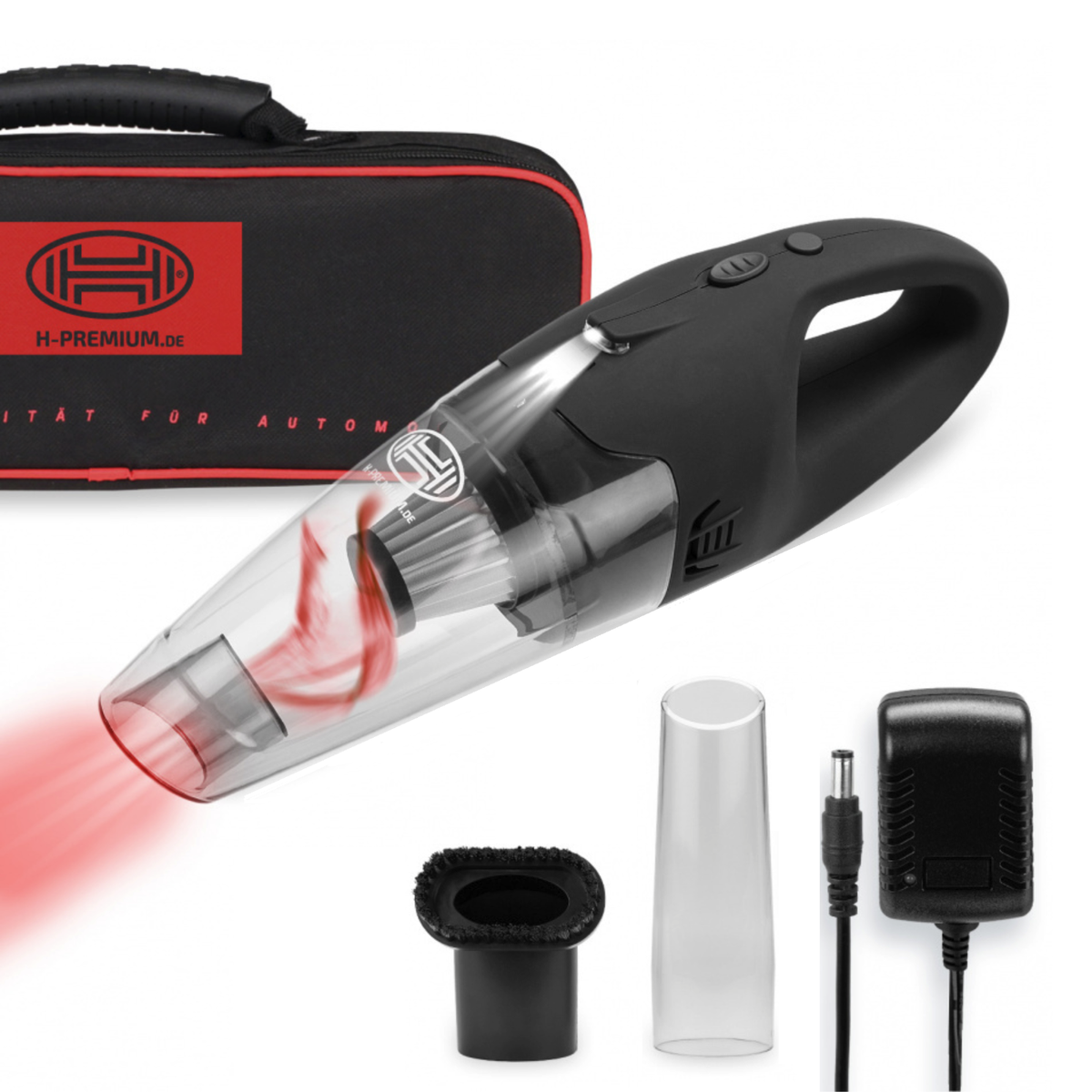
Ever get that sinking feeling when you grab your car vacuum to tackle a mess, only to be hit by a wave of stale, funky odor the moment you turn it on? It’s the ultimate betrayal. The very tool designed to keep your car pristine is now the source of the stink. I’ve been there. After a long road trip with my golden retriever, my trusty cordless vac started smelling like a combination of wet dog and old french fries. That’s when I realized that knowing how to deodorize car vacuum cleaner is just as crucial as knowing how to use it.
You’re not alone in this struggle. A smelly vacuum is a common problem, but the good news is that it’s completely fixable. In this guide, we’re going to walk you through everything you need to know to banish those bad smells for good and get your machine back to being a lean, mean, fresh-smelling cleaning machine. Let’s dive in.
Why Does My Car Vacuum Smell So Bad Anyway?
Before we get to the solution, it helps to understand the problem. What exactly is causing that unpleasant aroma? Answering this will help you prevent it from happening again.
The short answer is that your vacuum is trapping more than just dust and crumbs. Over time, a cocktail of organic materials builds up inside, creating a perfect breeding ground for odor-causing bacteria and mold.
Here are the usual suspects:
- Old Food Particles: That rogue potato chip or spilled bit of coffee is decomposing in the dust bin.
- Pet Dander and Hair: Pet hair carries oils and bacteria that break down and release odors, especially when damp.
- Moisture and Mildew: Vacuuming a damp carpet or accidentally sucking up a bit of spilled liquid can introduce moisture. If left to sit, this creates a musty, mildew smell.
- Fine Dust and Dirt: Everyday dirt from shoes can contain organic matter that smells when concentrated inside the machine.
- Clogged Filters: The filter is the lungs of your vacuum. When it’s clogged with smelly particles, it blows that odor right back into your car’s cabin every time you use it.
The Ultimate Guide on How to Deodorize Car Vacuum Cleaner
Ready to get your hands a little dirty? Restoring your vacuum to its former glory is a straightforward process. Just follow these steps, and you’ll be breathing easy in no time.
Step 1: Safety First – Unplug and Disassemble
|
Our Picks for the Best Car Vacuum Cleaner in 2026
As an Amazon Associate, we earn from qualifying purchases.
|
||
| Num | Product | Action |
|---|---|---|
| 1 | BLACK+DECKER dustbuster AdvancedClean Cordless Handheld Vacuum, Compact Home and Car Vacuum with Crevice Tool (CHV1410L) |

|
| 2 | BISSELL Little Green Mini Portable Carpet and Upholstery Deep Cleaner, Car/Auto Detailer, with HydroRinse Self-Cleaning Tool and 4\" Tough Stain Tool, Tea Green, 4075 |
|
| 3 | KMM Handheld Car Vacuum Cleaner, 9000Pa Vacuum Cleaner and Air Duster, 120W High Power Hand Held Vacuum with LED Light and Multi-Nozzles for Car, Home, Office, Pet |
|
| 4 | BLACK+DECKER dustbuster QuickClean Cordless Handheld Vacuum, Car Vacuum Portable (HNVC215B10) |
|
| 5 | Gtech Multi MK2 K9 Cordless Handheld Vacuum Cleaner - Portable Vacuum Cleaner for Car, Home, and More - Reinforced with Lightweight Aluminum - Rechargeable - Pet Vacuum |
|
| 6 | Minthouz Handheld Vacuum Cordless, Strong Suction Car Vacuum Cleaner with LED Light, Long Runtime Hand Vacuum Cordless Rechargeable, Hand Held Vac with Charging Base for Home/Car/Pet/Office |
|
| 7 | Fanttik Slim V8 APEX Car Vacuum, 4-in-1 Portable Mini Cordless Vacuum with 19000pa Suction Power, Type-C Charge, 2 Suction Modes, Handheld Vacuum for Small Jobs, Car, Office Desk, Keyboards (Black) |
|
| 8 | BLACK+DECKER dustbuster Handheld Vacuum, Cordless Car Vacuum Portable 12V, with Rotating and Extendable Nozzle (HHVI320JR02) |
|
| 9 | BISSELL Little Green Mini Portable Carpet and Upholstery Deep Cleaner, Car/Auto Detailer, with HydroRinse Self-Cleaning Tool and 4\" Tough Stain Tool, Tea Green, 4075 |
|
| 10 | Car Vacuum Portable Cordless, 18000Pa 2 in 1 Vacuum Cleaner&Air Duster, 130W Brushless Motor Handheld Vacuum Cordless with 7800mAh Battery, LED Light, Multi-Nozzles for Car, Home, Office, Pet |
|
This might seem obvious, but it’s the most important step. Before you do anything else, make sure your vacuum is completely disconnected from any power source. If it’s a corded model, unplug it. If it’s a cordless car vacuum, remove the battery pack.
Next, start taking it apart. Remove the dust bin or bag, detach the hose, and take off any attachments. You’ll also want to locate and remove the filter or filters. Consult your user manual if you’re unsure how any parts detach.
Step 2: Empty and Clean the Dust Bin
This is ground zero for bad smells. Empty the contents of the dust bin into the trash. But don’t stop there. Most of the odor is coming from the fine layer of grime caked onto the inside.
For a thorough clean:
- Take the dust bin to a sink.
- Wash it thoroughly with warm, soapy water. Use a soft brush or sponge to scrub away any residue.
- Rinse it completely and, this is critical, let it air dry completely. Putting a damp dust bin back on your vacuum is a one-way ticket to mildew city.
Step 3: Tackle the Filters – The Heart of the Problem
A dirty filter doesn’t just reduce your vacuum’s suction power; it’s a major source of odors. How you clean it depends on the type.
- Washable Filters: Many modern portable vacuums come with foam or plastic mesh filters that are designed to be washed. Gently rinse them under cool water until the water runs clear. Do not use soap unless the manufacturer’s instructions specifically say you can, as it can degrade the filter material. Again, let it air dry for at least 24 hours before reinstalling.
- HEPA or Paper Filters: These filters are typically not washable. Getting them wet can ruin their ability to trap fine allergens. Instead, take the filter outside and gently tap it against the side of a trash can to dislodge as much dust and debris as possible. You can also use a soft-bristled brush to gently sweep away stubborn particles. If the filter is extremely dirty or old, your best bet is to simply replace it.
Step 4: Inspect and Clean the Hose and Attachments
Don’t forget the pathways! Hoses and attachments can trap smelly debris.
- Hose: Visually inspect the hose for any blockages. You can create a simple cleaning solution of equal parts water and white vinegar. Pour a small amount through the hose (over a sink!), swish it around, and then rinse thoroughly with clean water. Hang it over a doorknob or shower rod to let it dry completely.
- Attachments: Your crevice tool, brush head, and other nozzles need love too. Wash them in the same warm, soapy water as your dust bin, using a small brush to get into the nooks and crannies. Rinse and let them air dry.
Step 5: Wipe Down the Exterior and Reassemble
Once every single component is bone dry, give the main body of the vacuum a wipe-down with a damp cloth. This removes any surface dust and gives the whole unit a fresh look.
Now, carefully reassemble your vacuum. Put the filters back in place, reattach the dust bin, connect the hose, and pop the battery back in. Your journey on how to deodorize car vacuum cleaner is complete!
“Amateurs focus on emptying the bin. Pros know the smell lives in the filter and the hose. I tell my clients, ‘Clean your vacuum’s filter once a month, and you’ll prevent 90% of odor problems before they even start.’ It’s the best five minutes you can spend on your car detailing tools.” – John Carter, Professional Auto Detailer, 15 years experience.
Proactive Tips: How to Keep Your Car Vacuum Smelling Fresh
Cleaning is great, but prevention is even better. Here are a few habits to adopt to keep those nasty smells from returning.
- Empty the Bin After Every Use: Don’t let dirt and debris sit and fester. Make it a habit to empty the canister immediately after you finish cleaning your car.
- Harness the Power of Baking Soda: Before you start vacuuming, sprinkle a small amount of baking soda on your car’s carpets and seats. Let it sit for 15 minutes, then vacuum it up. Baking soda is a natural deodorizer and will help neutralize odors both in your car and inside the vacuum.
- Try Activated Charcoal: Place a small sachet of activated charcoal inside the dust bin (when not in use). It’s incredibly effective at absorbing ambient odors.
- Avoid Vacuuming Moisture: Be mindful of vacuuming wet spots. If you must, clean your vacuum immediately afterward to prevent mold and mildew growth. For wet messes, consider a dedicated wet/dry model. For more info, check out our guide on The Best Wet/Dry Vacuums for Your Car.
- Store It Properly: Keep your vacuum in a cool, dry place. Storing it in a damp garage or car trunk can encourage mildew growth.
Frequently Asked Questions (FAQ)
Q: Can I use a home vacuum cleaner for my car?
A: You can, but it’s often cumbersome. Portable car vacuums are designed with specialized attachments to reach tight spaces like between seats and under pedals. They are also more convenient, especially cordless car vacuum models that you can use anywhere without needing a power outlet.
Q: How often should I clean my car vacuum’s filter?
A: For best performance and to prevent odors, you should check and clean the filter at least once a month, or more frequently if you have pets or use it heavily. Most manufacturers recommend replacing HEPA filters every 6 to 12 months.
Q: Can I put a car air freshener inside my vacuum?
A: It’s generally not recommended. The oils and chemicals in air fresheners can damage the filter and internal plastic components. A safer alternative is to place a few drops of essential oil (like lemon or peppermint) on a cotton ball and place it in the dust bin after it’s been cleaned. Remove it before the next use.
Q: What if the smell won’t go away even after a deep clean?
A: If a deep clean following these steps doesn’t solve the problem, the smell may have penetrated the motor housing, or there could be a severe mold issue. At this point, it may be more practical and hygienic to consider replacing the unit.
Q: Is it safe to use a vacuum that smells moldy?
A: It’s not advisable. A moldy vacuum can blow mold spores back into your car’s enclosed space, which can be a health concern, especially for those with allergies or respiratory issues. A thorough cleaning is essential, and if the smell persists, replacement is the safest option.
Your Car Deserves a Fresh Start
At the end of the day, a clean and fresh-smelling car vacuum is an essential tool in any car owner’s arsenal. By investing a little time in regular maintenance, you not only extend the life of your device but also ensure it does its job effectively without adding to the problem. Learning how to deodorize car vacuum cleaner is a simple skill that pays huge dividends in maintaining a pleasant driving environment.
Now your vacuum is ready to take on whatever messes come its way, from beach sand to pet hair, leaving nothing behind but a clean, fresh interior.
Have any of your own tips or tricks for keeping your car vacuum smelling great? Share them in the comments below! We’d love to hear what works for you.
Get our weekly buyer guide
Practical specs, not advice. Unsubscribe anytime.
