Let’s be real for a moment. That new car smell fades, but the crumbs, pet hair, and mystery debris seem to multiply in every corner. You know the spots I’m talking about—the abyss between the seats and the center console, the tight seams of your upholstery, and the vents that seem to be magnets for dust. Figuring out How To Vacuum Tight Spots In Car interiors can feel like a losing battle. But what if I told you it doesn’t have to be? With the right tools and techniques, you can restore that showroom-fresh feeling.
Tackling those hard-to-reach areas is about more than just aesthetics; it’s about maintaining your vehicle’s value and creating a healthier driving environment. Getting this right is similar to understanding how to use a car vacuum cleaner properly; it’s a foundational skill for any car owner.
Why Is a Dedicated Car Vacuum a Game-Changer?
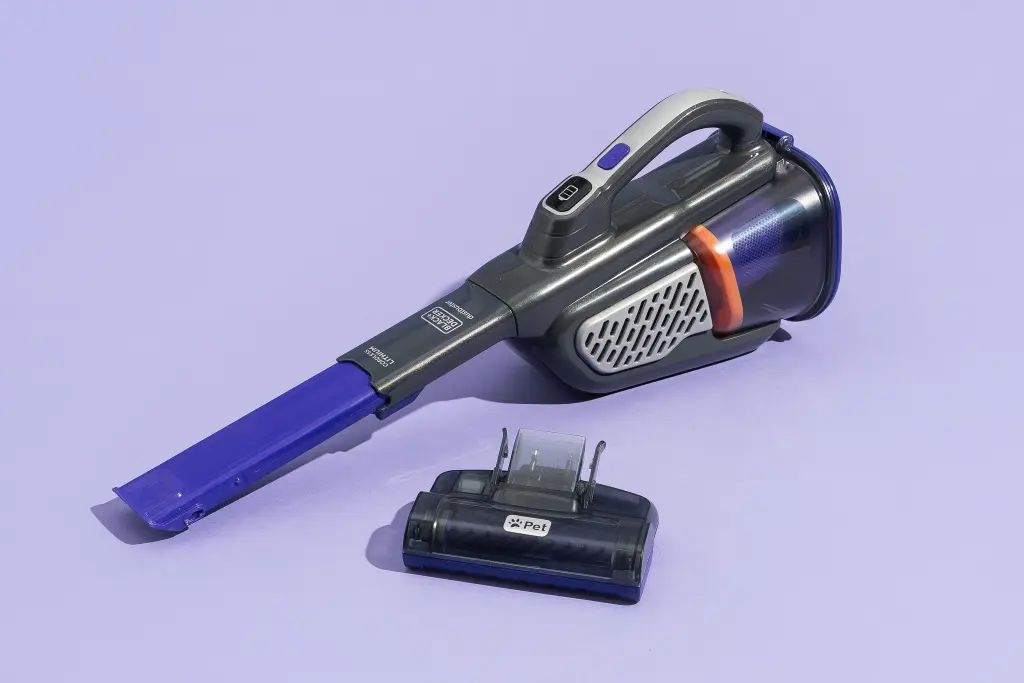
You might be tempted to lug your heavy household vacuum out to the driveway, but it’s often a frustrating experience. They’re clunky, the cords are never long enough, and their attachments are built for living rooms, not floor mats. A dedicated car vacuum is designed specifically for the unique challenges of a vehicle’s interior. They are compact, often cordless, and come with a suite of specialized tools made for, you guessed it, getting into tight spots. It’s the difference between using a sledgehammer and a scalpel—both are tools, but only one is right for the delicate job at hand.
What Are My Options? A Look at Car Vacuum Types
Before you can master the art of car detailing, you need to choose your weapon. Car vacuums generally fall into a few key categories, each with its own strengths.
Cordless Car Vacuums
These are the undisputed champions of convenience. Powered by rechargeable batteries, they offer complete freedom of movement, allowing you to easily navigate around seats and into the trunk without being tethered to a power outlet. Modern cordless models pack a surprising punch, offering robust suction power in a lightweight package.
Corded Car Vacuums
What they lack in portability, corded vacuums make up for in sheer, unrelenting power. These models typically plug into your car’s 12V outlet (the cigarette lighter) and provide consistent, powerful suction that never fades. They are an excellent choice if you often deal with heavy-duty messes like sand or deeply embedded pet hair.
Wet/Dry Car Vacuums
Life happens. Spilled coffee, muddy footprints, or a leaky grocery bag can leave you with a damp mess. A wet/dry car vacuum is the versatile hero you need in these situations. It can handle both solid debris and liquid spills, making it an incredibly useful tool for families or anyone living in a region with unpredictable weather.
What Features Really Matter for Cleaning Tight Spaces?
When you’re comparing models, it’s easy to get lost in technical jargon. Let’s cut through the noise and focus on what truly makes a difference for those pesky nooks and crannies.
- Suction Power: This is the heart of any vacuum. Look for specs listed in Pascals (Pa) or Air Watts (AW). For effective car cleaning, a cordless vacuum with at least 5,000 Pa is a good starting point, while more powerful models can exceed 15,000 Pa.
- Specialized Attachments: This is non-negotiable. A good car vacuum must come with a crevice tool (long and thin for getting between seats), a brush tool (for dislodging dust from vents and upholstery), and preferably an extension hose for added reach.
- Battery Life (for cordless models): Look for a model with at least 20-30 minutes of runtime. This gives you enough time to do a thorough cleaning without feeling rushed. Lithium-ion batteries are the standard as they provide fade-free power.
- HEPA Filtration: A HEPA filter traps over 99.9% of dust, pollen, and allergens. This is crucial for improving the air quality inside your car and is a must-have for anyone with allergies.
- Portability and Weight: You’ll be holding this device at awkward angles. A lightweight, ergonomic design will save your wrist and make the job much less of a chore.
John Carter, a professional car detailer with over 15 years of experience, notes, “Amateurs focus only on suction power. Pros know that the right attachment is what separates a decent clean from a perfect one. A crevice tool is your single most important weapon against dirt in a car’s tight spots.”
Your Step-by-Step Guide: How to Vacuum Tight Spots in Car Interiors
Ready to get to work? Follow this proven process for a detailer-quality clean every time.
- Preparation is Key: First, remove all floor mats, trash, and personal items from your car. This gives you a clear workspace. Give the floor mats a good shake outside before vacuuming them separately.
- Start with the Big Surfaces: Use a wider brush attachment to do a first pass on the seats and carpets. This removes the bulk of the surface-level dirt and preps the area for detail work.
- Deploy the Crevice Tool: This is where the magic happens. Attach your crevice tool and slide the front seats all the way forward. Vacuum the tracks and the area under the seats. Then, slide the seats all the way back and repeat for the front.
- Conquer the Console Gap: Push the crevice tool deep into the gap between your front seats and the center console. Work it back and forth slowly to suck up years of lost crumbs and coins.
- Address Upholstery Seams: Use the crevice tool or a stiff brush tool to trace along all the seams in your seats. This is where fine dust and dirt love to hide.
- Don’t Forget the Details: Use a soft brush attachment for your air vents, dashboard crevices, and door pockets. For very tight spots, some pros use a can of compressed air to blow debris out into the open before vacuuming it up. Small spaces like the glove compartment can be tricky, and for a deeper dive into that, it’s helpful to see examples of how to use mini car vacuum for glove box to understand the technique.
|
Our Picks for the Best Car Vacuum Cleaner in 2026
As an Amazon Associate, we earn from qualifying purchases.
|
||
| Num | Product | Action |
|---|---|---|
| 1 | BLACK+DECKER dustbuster Handheld Vacuum, Cordless Car Vacuum Portable 12V, with Rotating and Extendable Nozzle (HHVI320JR02) |

|
| 2 | Gtech Multi MK2 K9 Cordless Handheld Vacuum Cleaner - Portable Vacuum Cleaner for Car, Home, and More - Reinforced with Lightweight Aluminum - Rechargeable - Pet Vacuum |
|
| 3 | BISSELL Little Green Mini Portable Carpet and Upholstery Deep Cleaner, Car/Auto Detailer, with HydroRinse Self-Cleaning Tool and 4\" Tough Stain Tool, Tea Green, 4075 |
|
| 4 | BLACK+DECKER dustbuster QuickClean Cordless Handheld Vacuum, Car Vacuum Portable (HNVC215B10) |
|
| 5 | Car Vacuum Portable Cordless, 18000Pa 2 in 1 Vacuum Cleaner&Air Duster, 130W Brushless Motor Handheld Vacuum Cordless with 7800mAh Battery, LED Light, Multi-Nozzles for Car, Home, Office, Pet |
|
| 6 | BISSELL Little Green Mini Portable Carpet and Upholstery Deep Cleaner, Car/Auto Detailer, with HydroRinse Self-Cleaning Tool and 4\" Tough Stain Tool, Tea Green, 4075 |
|
| 7 | KMM Handheld Car Vacuum Cleaner, 9000Pa Vacuum Cleaner and Air Duster, 120W High Power Hand Held Vacuum with LED Light and Multi-Nozzles for Car, Home, Office, Pet |
|
| 8 | BLACK+DECKER dustbuster AdvancedClean Cordless Handheld Vacuum, Compact Home and Car Vacuum with Crevice Tool (CHV1410L) |
|
| 9 | Fanttik Slim V8 APEX Car Vacuum, 4-in-1 Portable Mini Cordless Vacuum with 19000pa Suction Power, Type-C Charge, 2 Suction Modes, Handheld Vacuum for Small Jobs, Car, Office Desk, Keyboards (Black) |
|
| 10 | Minthouz Handheld Vacuum Cordless, Strong Suction Car Vacuum Cleaner with LED Light, Long Runtime Hand Vacuum Cordless Rechargeable, Hand Held Vac with Charging Base for Home/Car/Pet/Office |
|
Pro Tips for Those Impossible Nooks and Crannies
Sometimes, even the best vacuum needs a little help. Here are a few detailing tricks to take your clean to the next level.
- The Brush and Vac Method: For stubborn dust in vents or around infotainment screens, use a small, soft detailing brush (an old makeup brush works too!). Agitate the dust with the brush while holding the vacuum nozzle nearby to immediately capture it.
- Slide and Tap: To get debris out from under seats, sometimes you need a little gravity. After sliding the seat forward, gently tap on the seat cushions to dislodge anything trapped inside the springs.
- The Flathead Screwdriver Trick: For extremely tight plastic trim gaps, wrap the tip of a flathead screwdriver in a microfiber cloth. Gently run it along the gap to push out trapped dirt, then vacuum it away. Use this technique with extreme care to avoid scratching surfaces.
Keeping Your Vacuum in Fighting Shape: Maintenance 101
Your car vacuum is a tool, and like any good tool, it needs care. A poorly maintained vacuum loses suction and becomes ineffective.
- Empty the Dustbin Regularly: Don’t wait until it’s overflowing. An overly full dustbin severely restricts airflow and reduces suction power. Empty it after every use.
- Clean Your Filters: This is the most crucial step. A clogged filter is the number one cause of poor performance. Most car vacuum filters are washable. Rinse them with water, let them air dry completely (at least 24 hours), and then reinstall them. Check your user manual for specific instructions. If your vacuum suddenly stops working, a clogged filter or a dead battery is often the culprit. Of course, there are other potential issues, which raises the question of how to fix car vacuum cleaner not turning on that might require more in-depth troubleshooting.
- Check for Clogs: Occasionally inspect the nozzle, hose, and any attachments for blockages that could be hindering performance.
Frequently Asked Questions
Can I just use my household vacuum in my car?
You can, but it’s not ideal. They are bulky, hard to maneuver in a confined space, and their attachments are often too large for a car’s tightest spots. A dedicated, portable car vacuum will give you a much better and faster result.
How often should I vacuum my car’s interior?
For a quick clean, once every two weeks is a good rule of thumb. A deep clean, focusing on all the tight spots, should be done at least once a month to prevent dirt and grime buildup.
What is more important: suction power or attachments?
They are both critical, but for tight spots, the right attachments are arguably more important. A vacuum with incredible suction is useless if its nozzle can’t reach the dirt. The ideal combination is strong suction paired with a versatile set of tools like a crevice tool and brush.
Is a HEPA filter really necessary for a car vacuum?
If you or your passengers suffer from allergies or asthma, a HEPA filter is a must-have. It significantly improves the air quality inside your car by trapping microscopic allergens that a standard filter would simply recirculate back into the air.
How long does a cordless car vacuum battery last?
Most models offer a runtime between 15 to 30 minutes on a full charge. Higher-end models may last longer. This is typically more than enough time for a thorough cleaning of a standard-sized vehicle.
The Final Word on a Spotless Interior
Mastering how to vacuum tight spots in car interiors transforms car cleaning from a dreaded chore into a satisfying task. It’s about having the right portable vacuum, using the correct attachments, and applying a methodical approach. Investing in a quality car vacuum isn’t just about cleanliness; it’s about protecting your investment and taking pride in the vehicle you drive every day. So, grab your tools, and get ready to banish those crumbs for good.
