Let’s be honest, that new-car smell is long gone, and now you’re battling a never-ending war against crumbs, pet hair, and mystery dust bunnies. Your portable car vacuum is your best soldier in this fight, but what happens when it starts losing its edge? Before you blame the motor, the real culprit is often a small, overlooked hero: the filter. Knowing How To Replace Car Vacuum Cleaner Filter is one of the easiest and most effective ways to restore your machine’s suction power and keep your car’s interior looking sharp. It’s a simple task that can feel a bit daunting if you’ve never done it, but don’t worry. We’re about to walk you through it, step-by-step.
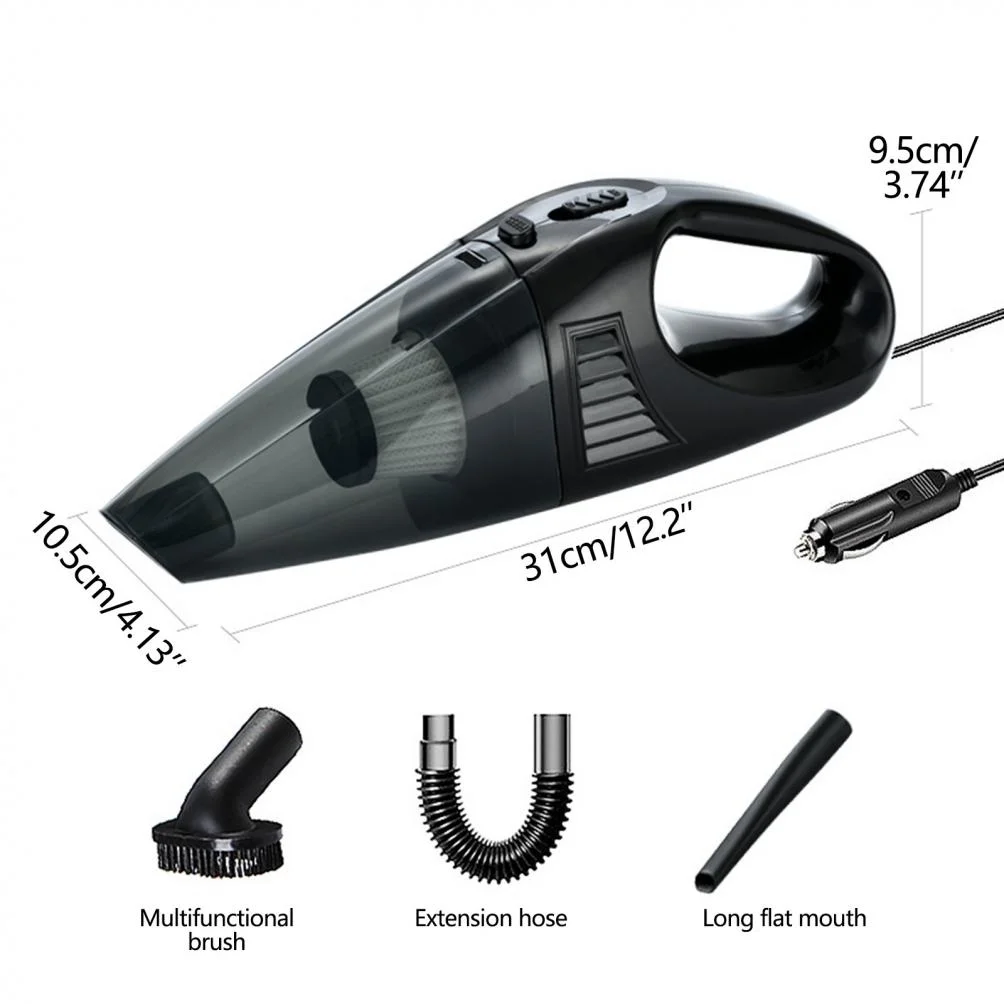
Why Bother Replacing Your Car Vacuum Filter?
You might be thinking, “It’s just a small filter, how much difference can it really make?” A whole lot, actually. Neglecting this crucial component is like asking a marathon runner to breathe through a straw.
Think of the filter as the lungs of your vacuum. A clean, fresh filter allows for maximum airflow, which is essential for powerful suction. Over time, this filter gets clogged with microscopic dust, dander, and debris. When that happens, you’ll notice a few frustrating problems:
- Drastic Loss of Suction Power: The vacuum just isn’t picking up dirt like it used to. It’s pushing crumbs around instead of sucking them up.
- Motor Strain and Overheating: A clogged filter forces the motor to work much harder to pull air through. This can lead to overheating and, in the long run, can drastically shorten the life of your trusty car-cleaning companion.
- Poor Air Quality: A dirty filter can’t effectively trap allergens and dust, meaning it might just be spitting them right back into your car’s air. A clean filter, especially a HEPA filter, ensures the air being exhausted is cleaner.
For those dealing with more complex issues beyond a simple filter change, understanding the mechanics of your device is key. For example, if your vacuum isn’t responding at all, learning [how to fix car vacuum cleaner not turning on](https://carvacuumscleaner.com/how-to-fix-car-vacuum-cleaner-not-turning-on/) can provide deeper insights into its electrical components.
When Should You Replace the Filter?
There’s no single magic number, as it depends on how often you use your vacuum and what you’re cleaning up. However, there are some tell-tale signs that it’s time for a change:
- Visible Grime: If you can see the filter is caked in a thick layer of grey or brown dust that won’t shake off, it’s time.
- A Noticeable Drop in Performance: This is the most obvious sign. If you have to go over the same spot multiple times, your filter is likely the problem.
- Unpleasant Odors: A musty or dirty smell coming from the vacuum’s exhaust is a clear indicator that the filter is holding onto old, smelly particles.
- The Manufacturer’s Recommendation: As a rule of thumb, check your user manual. Most manufacturers suggest replacing the filter every 3 to 6 months with regular use.
The Main Event: How to Replace Car Vacuum Cleaner Filter Step-by-Step
Alright, let’s get down to business. This process is incredibly simple and usually takes less than five minutes. While the exact steps might vary slightly between a corded model and a cordless car vacuum, the general principle is the same.
- Safety First: Disconnect the Power. Before you do anything, make sure the vacuum is turned off. If it’s a corded model, unplug it. If it’s cordless, it’s a good idea to remove the battery pack if possible.
- Locate and Open the Dust Canister. This is the part of the vacuum that collects all the dirt. It usually detaches from the main body with the press of a button or a simple twist. Open it up over a trash can to empty the debris.
- Find and Remove the Old Filter. Inside the dust canister, you’ll see the filter. It might be a cone shape, a flat disc, or a small cartridge. Most filters can be removed by simply pulling them straight out or with a gentle twist. Take note of how it’s positioned before you remove it.
- Clean the Filter Housing. With the old filter out, take a moment to wipe down the inside of the dust canister and the area where the filter sits. A dry cloth or a soft brush works perfectly for this. You want a clean seat for your new filter.
- Install the New Filter. Take your brand-new filter and pop it into place, ensuring it’s seated snugly and securely, just like the old one was. If it feels loose or doesn’t click into place, double-check that you have the correct model.
- Reassemble and Test. Reattach the dust canister to the vacuum’s body. Plug it back in or reinsert the battery, and give it a quick test run. You should immediately notice a significant improvement in suction power.
|
Our Picks for the Best Car Vacuum Cleaner in 2026
As an Amazon Associate, we earn from qualifying purchases.
|
||
| Num | Product | Action |
|---|---|---|
| 1 | Minthouz Handheld Vacuum Cordless, Strong Suction Car Vacuum Cleaner with LED Light, Long Runtime Hand Vacuum Cordless Rechargeable, Hand Held Vac with Charging Base for Home/Car/Pet/Office |

|
| 2 | BLACK+DECKER dustbuster Handheld Vacuum, Cordless Car Vacuum Portable 12V, with Rotating and Extendable Nozzle (HHVI320JR02) |
|
| 3 | Fanttik Slim V8 APEX Car Vacuum, 4-in-1 Portable Mini Cordless Vacuum with 19000pa Suction Power, Type-C Charge, 2 Suction Modes, Handheld Vacuum for Small Jobs, Car, Office Desk, Keyboards (Black) |
|
| 4 | BLACK+DECKER dustbuster AdvancedClean Cordless Handheld Vacuum, Compact Home and Car Vacuum with Crevice Tool (CHV1410L) |
|
| 5 | BISSELL Little Green Mini Portable Carpet and Upholstery Deep Cleaner, Car/Auto Detailer, with HydroRinse Self-Cleaning Tool and 4\" Tough Stain Tool, Tea Green, 4075 |
|
| 6 | Gtech Multi MK2 K9 Cordless Handheld Vacuum Cleaner - Portable Vacuum Cleaner for Car, Home, and More - Reinforced with Lightweight Aluminum - Rechargeable - Pet Vacuum |
|
| 7 | Car Vacuum Portable Cordless, 18000Pa 2 in 1 Vacuum Cleaner&Air Duster, 130W Brushless Motor Handheld Vacuum Cordless with 7800mAh Battery, LED Light, Multi-Nozzles for Car, Home, Office, Pet |
|
| 8 | BLACK+DECKER dustbuster QuickClean Cordless Handheld Vacuum, Car Vacuum Portable (HNVC215B10) |
|
| 9 | BISSELL Little Green Mini Portable Carpet and Upholstery Deep Cleaner, Car/Auto Detailer, with HydroRinse Self-Cleaning Tool and 4\" Tough Stain Tool, Tea Green, 4075 |
|
| 10 | KMM Handheld Car Vacuum Cleaner, 9000Pa Vacuum Cleaner and Air Duster, 120W High Power Hand Held Vacuum with LED Light and Multi-Nozzles for Car, Home, Office, Pet |
|
To Clean or To Replace? That Is the Question
Some filters are washable and reusable, while others are disposable. How do you know which you have?
- Washable Filters: These are often made of a foam or a dense fabric-like material. The manual will explicitly state if it’s washable. To clean it, just rinse it under cool water (no soap!) until the water runs clear. Crucially, you must let it air dry completely for at least 24 hours before putting it back in the vacuum. A damp filter can lead to mold and damage the motor.
- Disposable Filters: These are typically paper-based or pleated (like a HEPA filter). You can tap them against the side of your trash can to remove loose debris, but they are not designed to be washed. Water will ruin them. Once they are visibly clogged, their time is up.
As John Carter, a professional car detailer with over 15 years of experience, puts it: “Think of your vacuum filter as an investment in the vacuum itself. A few dollars for a new filter every few months can save you from buying a whole new machine. Don’t cheap out on it.”
Tips for Proactive Car Vacuum Maintenance
Replacing the filter is a huge step, but a little extra care can keep your portable vacuum running at peak performance for years.
- Empty the Bin After Every Use: Don’t let debris sit in the canister. A full bin restricts airflow just as much as a clogged filter.
- Check for Clogs: Occasionally check the nozzle and any attachments for blockages, especially if you’ve been cleaning up larger debris or a lot of pet hair.
- Clean Your Attachments: The crevice tool and brush attachments can get clogged with hair and fibers. Give them a quick clean to ensure they remain effective.
- Charge Smart: For cordless models, follow the manufacturer’s instructions for charging the battery to preserve its lifespan. Avoid leaving it on the charger 24/7 unless the manual says it’s okay.
Frequently Asked Questions (FAQ)
How often should I truly replace my car vacuum filter?
For average use (once or twice a week), every 3-6 months is a good guideline. If you have pets or live in a dusty area, you might need to do it more frequently, perhaps every 2-3 months.
Can I use a generic or third-party filter?
While it can be tempting to save money, it’s always best to use the manufacturer’s official replacement filter (OEM). These are designed for a perfect fit and optimal performance. A poorly fitting generic filter can allow dust to bypass it and get into the motor, causing serious damage.
What is a HEPA filter and do I need one?
HEPA stands for High-Efficiency Particulate Air. A HEPA filter is a type of pleated mechanical air filter that can trap at least 99.97% of dust, pollen, mold, bacteria, and any airborne particles with a size of 0.3 microns. If you or your passengers have allergies or asthma, a vacuum with a HEPA filter is an excellent choice for improving your car’s air quality.
My vacuum still smells weird after changing the filter. What now?
If a funky smell persists, it might be trapped in the dustbin or the vacuum’s hose. Wipe the dustbin with a damp cloth and a drop of mild soap, and let it dry completely. You can also try sucking up a small amount of baking soda to help neutralize odors.
Will replacing the filter make my vacuum quieter?
It can! When a motor is straining due to a clogged filter, it often runs louder and can make a high-pitched whining sound. Restoring proper airflow by installing a new filter can help the motor run more smoothly and quietly.
A Fresh Start for a Cleaner Car
Investing in a quality car vacuum is the first step towards a pristine interior. But maintaining it is what truly makes the difference. Now that you know how to replace Car Vacuum Cleaner filter, you’re equipped with the knowledge to keep your machine running like new. It’s a small, inexpensive task that pays huge dividends in performance, longevity, and the simple satisfaction of a spotless car. So go ahead, give your vacuum the fresh start it deserves—your car will thank you for it.
