Let’s be real for a second. Your car is more than just a way to get from A to B; it’s your mobile office, your family shuttle, and sometimes, your dining room on wheels. And with that life comes mess: cracker crumbs in the car seats, pet hair clinging to the upholstery, and that mystery dirt in the footwells. Keeping it clean can feel like a losing battle. This brings us to a crucial decision for any car owner who values a tidy ride: the great Cordless Vs Wired Car Vacuum Cleaner debate. Are you better off with the untethered freedom of a cordless model or the raw, unrelenting power of a wired one?
Don’t worry, we’re here to help you cut through the noise. This isn’t just about specs on a box. It’s about how these tools fit into your real life. By the end of this guide, you’ll know exactly which type of vacuum is the perfect partner for your car cleaning adventures.
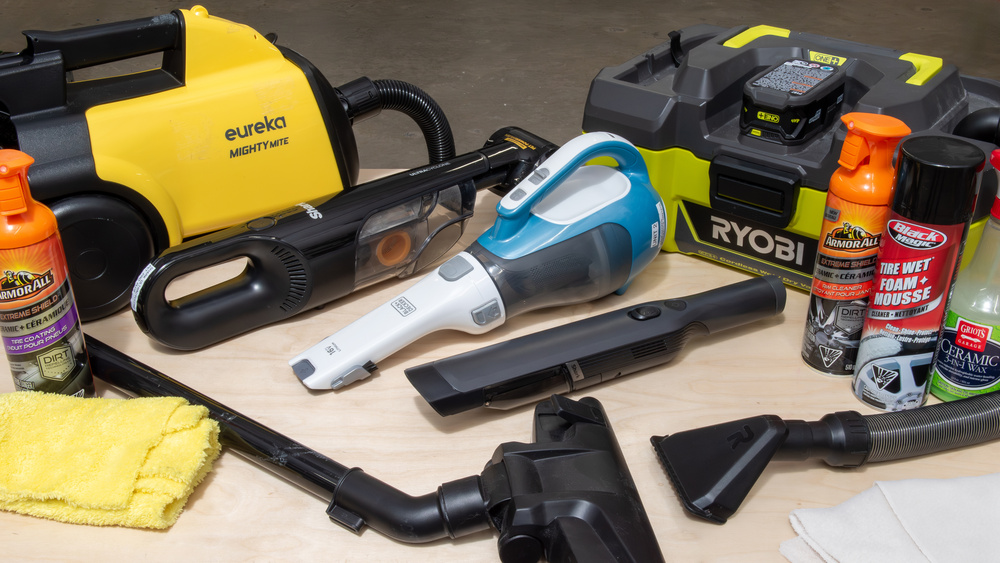
Why Bother With a Dedicated Car Vacuum Anyway?
You might be thinking, “Can’t I just use my household vacuum?” You could, but it’s a bit like trying to eat soup with a fork. It’s clumsy, inefficient, and you’ll probably miss the important bits.
A dedicated car vacuum cleaner is a game-changer because it’s designed specifically for the tight, awkward spaces of a vehicle’s interior. They come with specialized attachments like crevice tools for getting between seats, brush heads for agitating stubborn dirt from carpets, and are generally more compact and maneuverable. Investing in one means a faster, deeper, and far less frustrating clean.
The Main Event: Cordless vs Wired Car Vacuum Cleaner
This is the heart of the matter. Both have their die-hard fans and for good reason. The best choice for you boils down to your personal needs, how you use your car, and where you park it.
The Case for Cordless Car Vacuums: Freedom and Flexibility
Imagine this: you spot a small mess of spilled snacks in the back seat. With a cordless car vacuum, you can just grab it, clean up in 30 seconds, and you’re done. No untangling cords, no searching for a power outlet, no hassle. This is the core appeal of going cordless.
Pros of Cordless Vacuums:
- Ultimate Portability: This is their superpower. Clean your car anywhere—in your driveway, an apartment parking garage, or even at the park. There are no strings attached, literally.
- Quick and Convenient: Perfect for spot-cleaning and daily maintenance. They turn a dreaded chore into a quick, simple task.
- Easy to Store: Their compact size means they can often be stored right in your trunk or glove compartment, ready for action.
Cons of Cordless Vacuums:
- Battery Life is King (and its Achilles’ Heel): The biggest drawback is runtime. Most models offer 15-30 minutes of power before needing a recharge, which might not be enough for a deep, top-to-bottom clean.
- Potentially Less Suction Power: While modern cordless vacuums have become incredibly powerful, they often can’t match the consistent, high-level suction of their top-tier wired counterparts.
- Battery Degradation: Like any rechargeable battery, it will lose capacity over time, meaning shorter runtimes down the road.
The Power of the Plug: Wired Car Vacuums
If you’re the type who dedicates a Saturday morning to a full-on car detailing session, a wired vacuum might be your best friend. These models are the workhorses of the car cleaning world, built for power and endurance.
Pros of Wired Vacuums:
- Consistent, Unrelenting Power: Plug it in and go. You get maximum suction from start to finish, with no fading or power loss. This is ideal for tackling deeply embedded dirt, sand, and stubborn pet hair.
- Unlimited Runtime: As long as it’s plugged in, it will run. This removes any time pressure, allowing you to be as meticulous as you want.
- Often More Affordable: Generally, you can get more raw power for your money with a wired model compared to a high-end cordless vacuum.
Cons of Wired Vacuums:
- The Cord, Of Course: The power cord can be cumbersome. It can get tangled around tires, caught on seats, and limit your reach, often requiring an extension cord.
- Requires a Power Source: This might seem obvious, but it’s a major limitation. If you live in an apartment or don’t have easy access to a power outlet near your car, a wired model is simply not practical. Most plug into your car’s 12V outlet (the cigarette lighter), which is convenient but can drain your car battery if used for too long without the engine running.
How to Choose the Best Car Vacuum for You?
When you’re comparing cordless vs wired car vacuum cleaner models, don’t just look at the type. The specs and features are what truly separate a great tool from a frustrating one. Here’s what you need to keep an eye on.
- Suction Power (Pa or Air Watts): This is the single most important metric. Suction is measured in Pascals (Pa) or Air Watts (AW). For a decent clean, look for at least 5,000 Pa in a cordless model and upwards of 8,000-10,000 Pa for a powerful deep clean, which is more common in wired units. More is generally better.
- Battery Life (Cordless Only): Pay close attention to the listed runtime. Is 15 minutes enough for your quick clean-ups, or do you need a 30-minute model for more thorough jobs? Also, check the charging time—you don’t want to wait 8 hours for 20 minutes of use.
- Attachments and Accessories: A vacuum is only as good as its tools. A good kit should include a crevice tool (for tight spaces), a brush nozzle (for upholstery and carpets), and maybe an extension hose for added reach.
- Filtration System (HEPA): A good filter traps dust and allergens, preventing them from being blown back into your car’s air. A HEPA filter is the gold standard, capturing over 99.9% of fine particles. This is especially important for allergy sufferers.
- Dustbin Capacity: A larger dustbin means you can clean for longer without stopping to empty it. However, it can also make the vacuum bulkier. Find a balance that works for you.
|
Our Picks for the Best Car Vacuum Cleaner in 2026
As an Amazon Associate, we earn from qualifying purchases.
|
||
| Num | Product | Action |
|---|---|---|
| 1 | Gtech Multi MK2 K9 Cordless Handheld Vacuum Cleaner - Portable Vacuum Cleaner for Car, Home, and More - Reinforced with Lightweight Aluminum - Rechargeable - Pet Vacuum |

|
| 2 | BISSELL Little Green Mini Portable Carpet and Upholstery Deep Cleaner, Car/Auto Detailer, with HydroRinse Self-Cleaning Tool and 4\" Tough Stain Tool, Tea Green, 4075 |
|
| 3 | Car Vacuum Portable Cordless, 18000Pa 2 in 1 Vacuum Cleaner&Air Duster, 130W Brushless Motor Handheld Vacuum Cordless with 7800mAh Battery, LED Light, Multi-Nozzles for Car, Home, Office, Pet |
|
| 4 | KMM Handheld Car Vacuum Cleaner, 9000Pa Vacuum Cleaner and Air Duster, 120W High Power Hand Held Vacuum with LED Light and Multi-Nozzles for Car, Home, Office, Pet |
|
| 5 | BISSELL Little Green Mini Portable Carpet and Upholstery Deep Cleaner, Car/Auto Detailer, with HydroRinse Self-Cleaning Tool and 4\" Tough Stain Tool, Tea Green, 4075 |
|
| 6 | BLACK+DECKER dustbuster QuickClean Cordless Handheld Vacuum, Car Vacuum Portable (HNVC215B10) |
|
| 7 | Minthouz Handheld Vacuum Cordless, Strong Suction Car Vacuum Cleaner with LED Light, Long Runtime Hand Vacuum Cordless Rechargeable, Hand Held Vac with Charging Base for Home/Car/Pet/Office |
|
| 8 | Fanttik Slim V8 APEX Car Vacuum, 4-in-1 Portable Mini Cordless Vacuum with 19000pa Suction Power, Type-C Charge, 2 Suction Modes, Handheld Vacuum for Small Jobs, Car, Office Desk, Keyboards (Black) |
|
| 9 | BLACK+DECKER dustbuster Handheld Vacuum, Cordless Car Vacuum Portable 12V, with Rotating and Extendable Nozzle (HHVI320JR02) |
|
| 10 | BLACK+DECKER dustbuster AdvancedClean Cordless Handheld Vacuum, Compact Home and Car Vacuum with Crevice Tool (CHV1410L) |
|
“Amateur detailers often get obsessed with a vacuum’s peak suction power. But pros know the secret is in the attachments. The right crevice tool will pull out more dirt from between your seats than a super-powered vacuum with the wrong nozzle ever could.” – David Chen, Professional Car Detailer
A Simple Checklist Before You Buy
To make it even easier, here’s a quick checklist to run through:
- [ ] Where do I park my car? (Near an outlet, or far away?)
- [ ] What kind of messes do I clean most often? (Light dust and crumbs, or heavy-duty dirt and pet hair?)
- [ ] How much time do I want to spend cleaning? (Quick 10-minute touch-ups, or 45-minute deep cleaning sessions?)
- [ ] Do I have allergies? (If yes, prioritize a HEPA filter.)
- [ ] What’s my budget?
Answering these questions honestly will quickly point you toward either a cordless or a wired model.
How to Use Your Car Vacuum Cleaner for Maximum Effect
Owning a great vacuum is one thing; using it like a pro is another. Follow these steps for a showroom-quality clean.
- Declutter First: Remove all the trash, floor mats, and personal items from your car. This gives you a clear workspace.
- Start High, Go Low: Begin by vacuuming the dashboard, center console, and door panels. This allows dust and debris to fall to the floor, where you’ll clean it up last.
- Use the Right Tools for the Job: Switch to the brush attachment for your seats and upholstery to agitate and lift embedded dirt. Use the crevice tool for seams, vents, and the tight space between the seats and the center console.
- Seats and Carpets: Slide the front seats all the way back to vacuum underneath them, then slide them all the way forward to get the area behind. Don’t forget the trunk!
- The Floor Mats: Take the floor mats out and vacuum them separately. This allows you to give them a really thorough cleaning without being in an awkward position.
Frequently Asked Questions (FAQ)
Q: Can I just use my regular home vacuum for my car?
A: You can, but it’s not ideal. Household vacuums are bulky and their attachments are usually too large for the tight corners of a car. A dedicated, portable car vacuum is far more effective and less frustrating to use.
Q: In the cordless vs wired car vacuum cleaner debate, which is better for pet hair?
A: For serious pet hair, a powerful wired vacuum often has the edge due to its consistent, high suction. However, many premium cordless models now come with motorized brush attachments specifically designed for pet hair that do an excellent job.
Q: How much suction power do I really need for a car vacuum?
A: For general maintenance, 5,000-8,000 Pa is sufficient. For deep cleaning, especially for embedded dirt and pet hair in carpets, aim for 10,000 Pa or more.
Q: Are wet/dry car vacuums worth it?
A: They can be incredibly useful for cleaning up spilled drinks or shampooing your carpets and seats. If you have kids or frequently transport liquids, a wet/dry model offers valuable versatility.
Q: How often should I vacuum my car?
A: For a consistently clean interior, a quick spot-clean once a week and a more thorough vacuuming once a month is a great routine to follow.
The Final Verdict
So, in the showdown of cordless vs wired Car Vacuum Cleaner, there is no single champion. The winner is the one that best fits your lifestyle.
Choose a cordless car vacuum if you value convenience, need to clean up small messes quickly, and don’t have easy access to a power outlet. It’s the perfect tool for the busy parent or the apartment dweller.
Choose a wired car vacuum if you are a car enthusiast who enjoys deep cleaning sessions, regularly battles tough messes like sand or pet hair, and have a garage or driveway where you can easily plug in. It’s the workhorse for those who demand maximum power without compromise.
Ultimately, investing in a quality car vacuum is an investment in your own comfort and pride of ownership. A clean car just feels better to drive.
We’d love to hear from you! Which side are you on? Share your experiences with cordless or wired vacuums in the comments below.
