Let’s be honest, nothing beats that feeling of a freshly detailed car interior. It’s your personal space, your sanctuary on wheels. And the unsung hero of that clean-car feeling? Your trusty portable vacuum. It tackles crumbs, pet hair, and all the mysterious bits of life that end up on your floor mats. But what happens when that hero starts to lose its power? Before you blame the machine, let’s talk about care. Knowing How To Extend Car Vacuum Cleaner Lifespan isn’t just about saving money; it’s about ensuring your go-to cleaning gadget is always ready for action. You’ve invested in a tool to make your life easier, and with a few simple habits, you can keep it running like new for years.
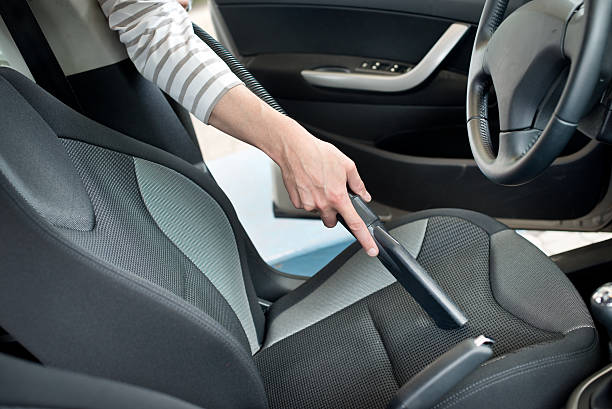
Why a Little Maintenance Goes a Long, Long Way
Think of your car vacuum like any other tool in your garage. You wouldn’t let your power drill get caked in sawdust and grime, would you? The same principle applies here. Consistent maintenance is the difference between a vacuum that dies an early death and one that remains a reliable part of your car care routine. A well-maintained vacuum doesn’t just last longer; it performs better. You get stronger suction power, more efficient cleaning, and a more hygienic environment inside your vehicle. Proper cleaning and upkeep also prevent the buildup of allergens and bacteria within the unit itself. To go a step further in keeping your device pristine, understanding how to sanitize car vacuum cleaner is a crucial part of a deep-clean routine, ensuring you aren’t just moving dust around, but truly purifying your car’s interior.
Getting to Know Your Machine: The Key to Longevity
Before we dive into the “how-to,” let’s quickly break down the essential parts of your car vacuum. Understanding what makes it tick is the first step in knowing how to care for it.
The Motor: The Heart of the Operation
The motor is what creates the suction. It’s the powerhouse. The biggest enemies of the motor are overheating and fine dust particles that bypass the filter. Keeping the airways clear is paramount to protecting it.
The Filtration System: The Lungs
This is arguably the most critical component for both performance and lifespan. Whether you have a simple mesh filter, a cloth filter, or a high-efficiency HEPA filter, its job is to trap dirt and protect the motor. A clogged filter is the number one cause of lost suction power and motor strain.
The Battery (for Cordless Models)
For a cordless car vacuum, the battery is its lifeblood. Most modern units use Lithium-ion (Li-ion) batteries, which are powerful but require some specific care to maintain their health and charge capacity over time.
The Dustbin and Attachments
The dustbin is the frontline collector of debris, and the attachments (crevice tool, brush head) are your specialized forces for tackling tight spots and different surfaces. Keeping them clean and intact ensures you can do a thorough job every time.
The Golden Rules: How to Extend Car Vacuum Cleaner Lifespan
You don’t need to be a mechanical engineer to dramatically increase how long your portable vacuum lasts. Just follow these simple, consistent steps.
- Empty the Dustbin After Every Single Use
This sounds almost too simple, but I can’t stress it enough. A full dustbin drastically reduces airflow, which means the motor has to work much harder to create suction. This strain leads to overheating and premature wear. Make it a habit: as soon as you’re done vacuuming, empty the canister. It takes 10 seconds and is the single most effective thing you can do. - Clean Your Filters Religiously
A clean filter means maximum airflow and minimum motor strain. How you clean it depends on the type:- Washable Filters: Most car vacuums have filters you can rinse under cool water. Let them air dry completely (at least 24 hours) before putting them back in. A damp filter is a recipe for mold and can damage the motor.
- HEPA or Paper Filters: These usually can’t be washed. Tap them gently against the side of a trash can to dislodge fine dust. Some can be cleaned with a soft brush.
John Carter, a professional car detailer with over 15 years of experience, notes, “Clients are always amazed when their vacuum’s suction is restored. 90% of the time, the fix isn’t a broken motor; it’s just a filter that hasn’t been cleaned in months. It’s the lungs of the machine; if it can’t breathe, it can’t work.”
Check your user manual for the recommended cleaning and replacement schedule. A good rule of thumb is to clean the filter every 3-4 uses and replace it every 6-12 months, depending on use.
- Become a Clog Detective
If you notice a sudden drop in suction, a clog is the likely culprit. Turn the vacuum off and check these key areas:- The nozzle or intake port.
- The hose (if it has one).
- The connection point between the dustbin and the main body.
- The brush roll (for models that have one).
Gently remove any debris you find. Never use sharp objects that could puncture the hose or damage the internal components.
- Practice Smart Battery Care
For cordless models, battery health is everything.- Avoid Full Drains: Try not to run the battery completely dead every time. Li-ion batteries are happiest when kept between 20% and 80% charge.
- Don’t Overcharge: While most modern chargers have auto-shutoff features, it’s still good practice to unplug the vacuum once it’s fully charged. Leaving it on the charger 24/7 can generate excess heat and degrade the battery over time.
- Store at Room Temperature: Extreme heat or cold can permanently damage a battery’s capacity. Don’t leave your vacuum in a hot car in the summer or a freezing garage in the winter.
If you’re ever in a situation where the battery isn’t cooperating, it’s worth troubleshooting before assuming it’s dead. Sometimes the issue is simpler than you think. For those facing charging issues, learning about how to fix car vacuum cleaner battery not charging can provide specific steps to diagnose and potentially solve the problem without needing a replacement.
|
Our Picks for the Best Car Vacuum Cleaner in 2026
As an Amazon Associate, we earn from qualifying purchases.
|
||
| Num | Product | Action |
|---|---|---|
| 1 | BISSELL Little Green Mini Portable Carpet and Upholstery Deep Cleaner, Car/Auto Detailer, with HydroRinse Self-Cleaning Tool and 4\" Tough Stain Tool, Tea Green, 4075 |

|
| 2 | BLACK+DECKER dustbuster Handheld Vacuum, Cordless Car Vacuum Portable 12V, with Rotating and Extendable Nozzle (HHVI320JR02) |
|
| 3 | Gtech Multi MK2 K9 Cordless Handheld Vacuum Cleaner - Portable Vacuum Cleaner for Car, Home, and More - Reinforced with Lightweight Aluminum - Rechargeable - Pet Vacuum |
|
| 4 | Fanttik Slim V8 APEX Car Vacuum, 4-in-1 Portable Mini Cordless Vacuum with 19000pa Suction Power, Type-C Charge, 2 Suction Modes, Handheld Vacuum for Small Jobs, Car, Office Desk, Keyboards (Black) |
|
| 5 | BLACK+DECKER dustbuster AdvancedClean Cordless Handheld Vacuum, Compact Home and Car Vacuum with Crevice Tool (CHV1410L) |
|
| 6 | Car Vacuum Portable Cordless, 18000Pa 2 in 1 Vacuum Cleaner&Air Duster, 130W Brushless Motor Handheld Vacuum Cordless with 7800mAh Battery, LED Light, Multi-Nozzles for Car, Home, Office, Pet |
|
| 7 | BLACK+DECKER dustbuster QuickClean Cordless Handheld Vacuum, Car Vacuum Portable (HNVC215B10) |
|
| 8 | Minthouz Handheld Vacuum Cordless, Strong Suction Car Vacuum Cleaner with LED Light, Long Runtime Hand Vacuum Cordless Rechargeable, Hand Held Vac with Charging Base for Home/Car/Pet/Office |
|
| 9 | BISSELL Little Green Mini Portable Carpet and Upholstery Deep Cleaner, Car/Auto Detailer, with HydroRinse Self-Cleaning Tool and 4\" Tough Stain Tool, Tea Green, 4075 |
|
| 10 | KMM Handheld Car Vacuum Cleaner, 9000Pa Vacuum Cleaner and Air Duster, 120W High Power Hand Held Vacuum with LED Light and Multi-Nozzles for Car, Home, Office, Pet |
|
Common Mistakes That Shorten Your Vacuum’s Life
Sometimes, knowing what not to do is just as important. Avoid these common pitfalls:
- Vacuuming Liquids (Unless It’s a Wet/Dry Model): Sucking up moisture with a standard dry vacuum is a fast track to destroying the motor and creating an electrical hazard.
- Ignoring Strange Noises: A new rattling, grinding, or high-pitched whining sound is your vacuum’s way of crying for help. Turn it off immediately and investigate for clogs or a problem with the brush roll or motor.
- Using It for DIY Debris: A car vacuum is designed for dust, dirt, and crumbs. Don’t use it to clean up drywall dust, fireplace ash, or other very fine powders, as they can bypass the filter and choke the motor.
- Storing It Improperly: Tossing your vacuum in a trunk full of loose items can damage the attachments and the body. Store it in a safe, dry place.
Frequently Asked Questions
How often should I clean my car vacuum’s filter?
For optimal performance, you should tap out loose debris after every use and give it a thorough cleaning (washing or brushing) every 3-5 uses, or whenever you notice a decrease in suction power.
Why has my cordless car vacuum lost suction?
The most common reasons are a full dustbin, a clogged filter, or a blockage in the nozzle or hose. Start by checking these three things. If the problem persists, the battery may be nearing the end of its life and not providing enough power to the motor.
Can I use a household vacuum cleaner for my car?
You can, but it’s often cumbersome. Household vacuums are bulky, and their attachments aren’t always designed for the tight nooks and crannies of a car. A dedicated, portable car vacuum offers better maneuverability and specialized tools for effective car detailing.
What’s that burning smell coming from my vacuum?
A burning smell is a serious warning sign. Turn off and unplug the vacuum immediately. It could be caused by a belt on the brush roll snapping, hair and string wrapped too tightly around the brush, or, more seriously, an overheating motor.
Is it okay to store my car vacuum in my car?
It’s convenient, but not always ideal. As mentioned, extreme temperatures can damage the battery and plastic components. If you must store it in your car, try to keep it out of direct sunlight and bring it inside during very hot or cold weather.
Conclusion: Your Partner in Cleanliness
Your car vacuum cleaner is a small but mighty tool. By treating it with a little respect and performing these simple maintenance tasks, you’re not just taking care of a piece of equipment; you’re investing in a cleaner car and a less frustrating ownership experience. A few minutes of care after each use will pay you back with powerful, reliable performance for years. By mastering how to extend Car Vacuum Cleaner lifespan, you ensure your trusted cleaning partner is always ready to tackle the next mess, keeping your car feeling fresh and new.
